Facing the Storm
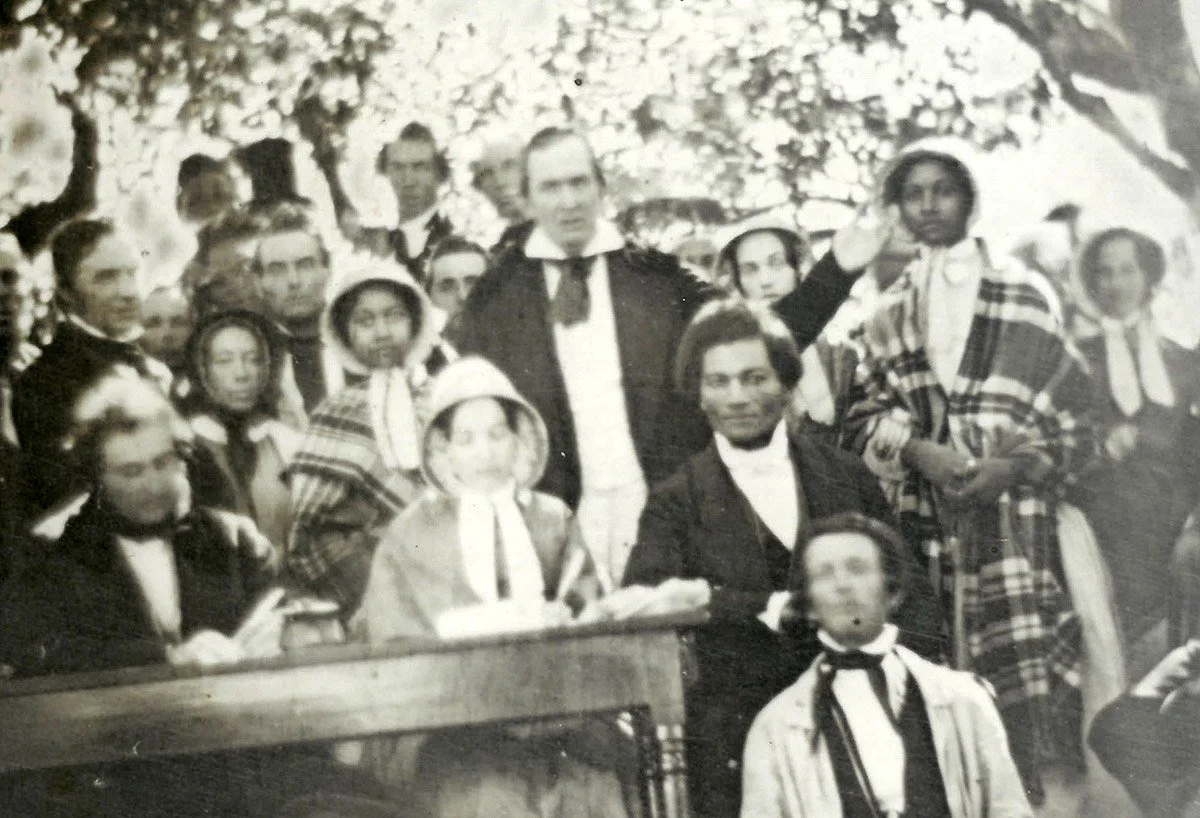
Attendees at the Fugitive Slave Convention in Cazenovia, New York, August 20–21, 1850; Frederick Douglass is seated with his elbow on the table. Photograph by Ezra Greenleaf Weld. (National Abolition Hall of Fame and Museum)

Desireé Lucas grew up in Charlotte, North Carolina, as the middle child of three. She graduated from UNC-Chapel Hill with a Bachelor of Arts in Education and a minor in African American and Diaspora Studies. In May 2026, she completed a Master of Divinity at Duke Divinity School and a Master of Social Work at UNC-Chapel Hill, with a concentration in Community Management and Policy Practice. She currently resides in Durham, North Carolina, and is a social worker at Jubilee Home, a nonprofit that supports justice-involved folks through housing and employment. A dear friend of BLK South, Desireé led our Grant Street Community neighborhood block party, and we hope to welcome her to our full time staff once we secure the funding. She enjoys cooking, exercising, and watching Black sitcoms. Learn More
“If there is no struggle, there is no progress.” - Frederick Douglass
Why are we always struggling? Lately, I’ve been wrestling with what it means to be an imperfect human being living in an imperfect world. This is my enduring thought amid my quarter-life existential crisis: Life is hard. As a child growing up in my Black Pentecostal church, I often wondered why every Sunday morning people would get worked up into a frenzy, shouting, dancing, and weeping streams of tears as they worshipped God. I was too young to understand the burdens of recurring bills and strained relationships, workplace harassment, and chronic illness. My consciousness of systemic racism and structural inequality was still forming. But I recall the refrain of the church mothers who would encourage the young people, “Just keep on living.”
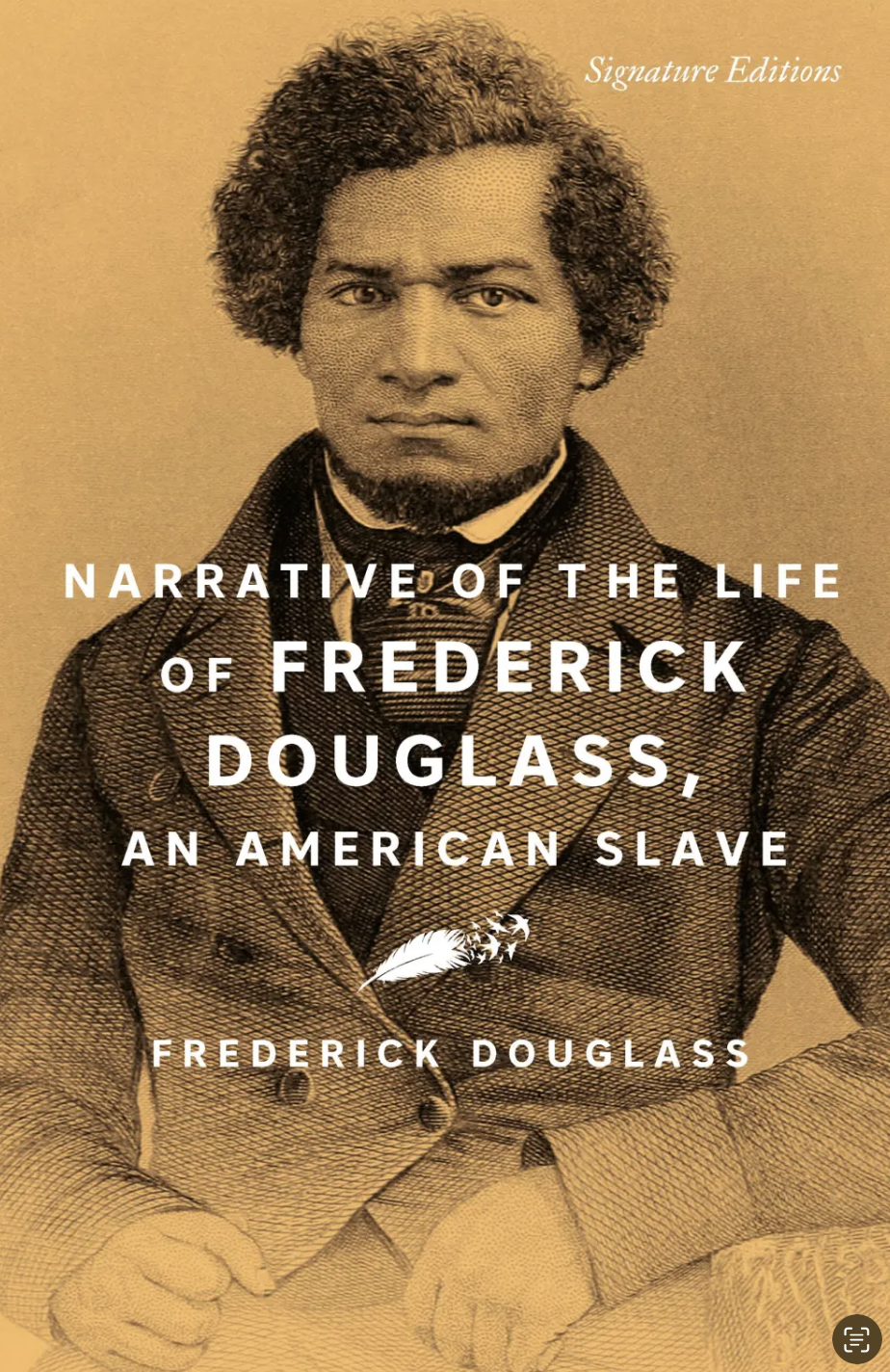
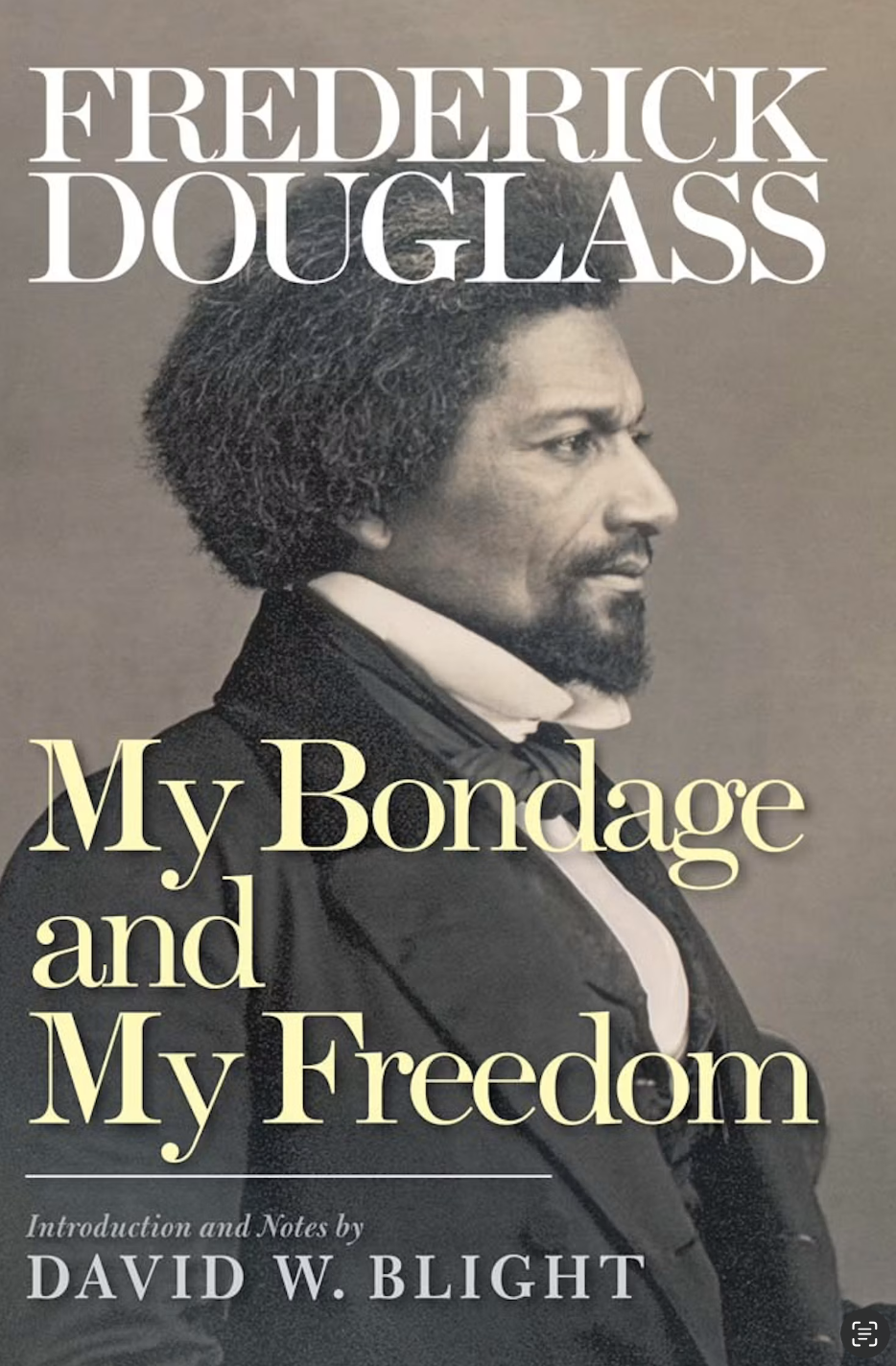
As I’ve transitioned into adulthood, I’ve realized that hard times are included in the journey. And difficulty wasn’t something that made our forebearers flinch. The abolitionist and formerly enslaved man, Frederick Douglass, leaned into the prophetic tradition when he proclaimed the necessity of struggle in the movement for Emancipation. As someone who literally bore the wounds of the American caste system, he knew what it meant to endure pain— yet he persevered. His example (among many others) is valuable for our collective memory as we advocate for justice.
Heavy clouds of undone progress and future uncertainty hang low during this time. There is a fog of exhaustion that seeks to obscure the light of our freedom. When you’re showing up to community meetings, calling and writing letters to your representatives, and organizing people in your city, it can feel like an endless fight. When you repost information and share links to the latest petition it seems like they get lost in the digital abyss. The truth is that the struggle is essential to making liberation a lived reality. And sometimes, we need a timeout; a moment to take a seat. But staying seated peeping through the blinds should not be our permanent position. Rather than remaining indoors out of fear of wind and heavy rains, let us put on our jackets, grab our umbrellas, and face the storm. Perhaps beyond the veil of clouds, the broken branches, and the flooded grounds is the progress that we’ve been fighting for.
Reflection Questions:
What has struggle taught you about yourself, your faith, and your responsibility to your community?
How do you recognize when you need to rest—and what helps you return to the work of justice with renewed courage?
RECOMMENDED READING