
REVERSE MIGRATION
Placed-Based Community Development Projects in Historic African American Neighborhoods Across the South.
Learn More—>
“The South is the origin point of Black culture in America. It is impossible to be a proud Black person in America and to be ashamed of the South, to be averse to the South, to consider southern Black culture inferior and wanting. Southern heritage is intertwined with the very concept of American blackness.”
CHARLES M. BLOW
SERVING CHURCHES.
STRENGTHENING NEIGHBORHOODS.
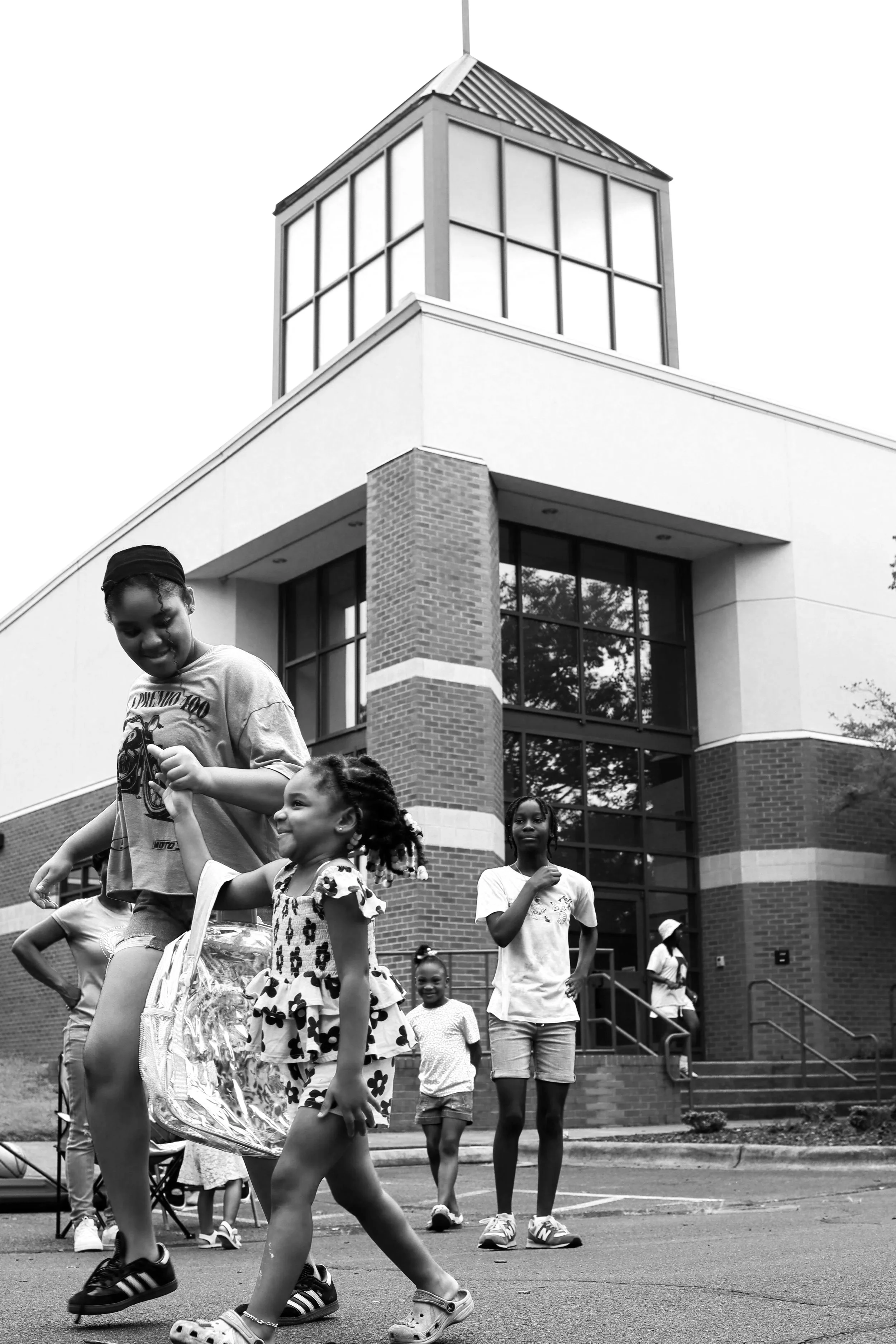
The Black Church has long been a center of spiritual formation, community care, and collective action. BLK South partners with historic Black congregations across the South to discern, develop, and implement place-rooted approaches to community care and development in historic African American neighborhoods.
From neighborhood listening and strategic planning to leadership formation, partnership development, and project implementation, we help churches move from a desire to serve their communities toward work that is relational, resident-informed, and deeply rooted in place.
Through our Neighborhood Chaplaincy model, BLK South is working alongside Street Psalms and a growing network of congregations, academic institutions, and community partners to develop a formation and training pathway for place-rooted ministry. Together, we are exploring how to equip leaders who accompany residents, build trusted relationships, recognize neighborhood gifts and assets, respond to community concerns, and help translate shared vision into faithful action.
Our goal is to develop, pilot, and refine a model that strengthens the capacity of historic Black congregations to become catalytic partners in the long-term flourishing of their neighborhoods—and that can ultimately be adapted for congregations and communities across the South.
LATEST REFLECTIONS
BLK South seeks the development, vibrancy, and well-being of underserved, historically Black neighborhoods in the South through community development, cultural preservation, and spiritual formation.
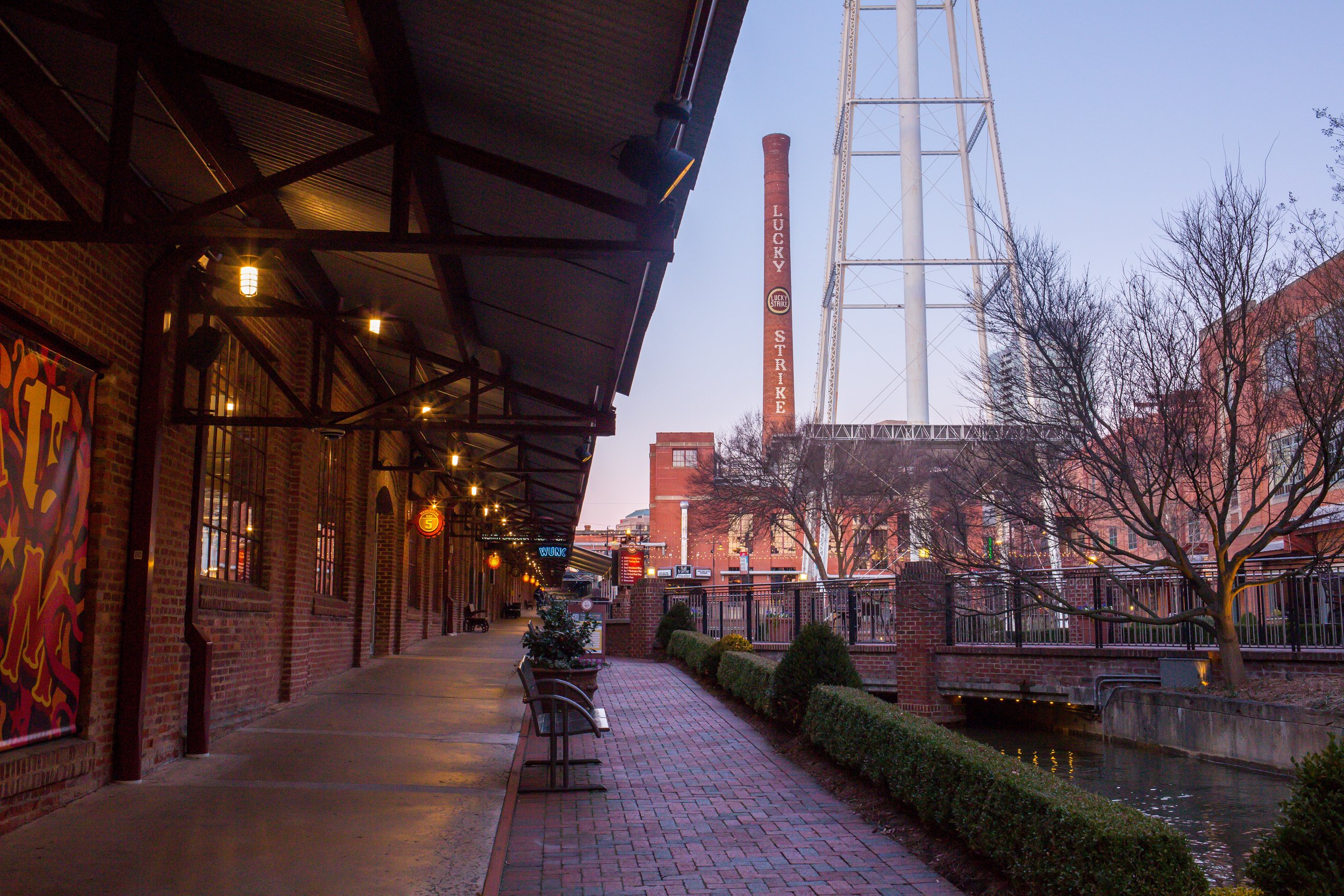
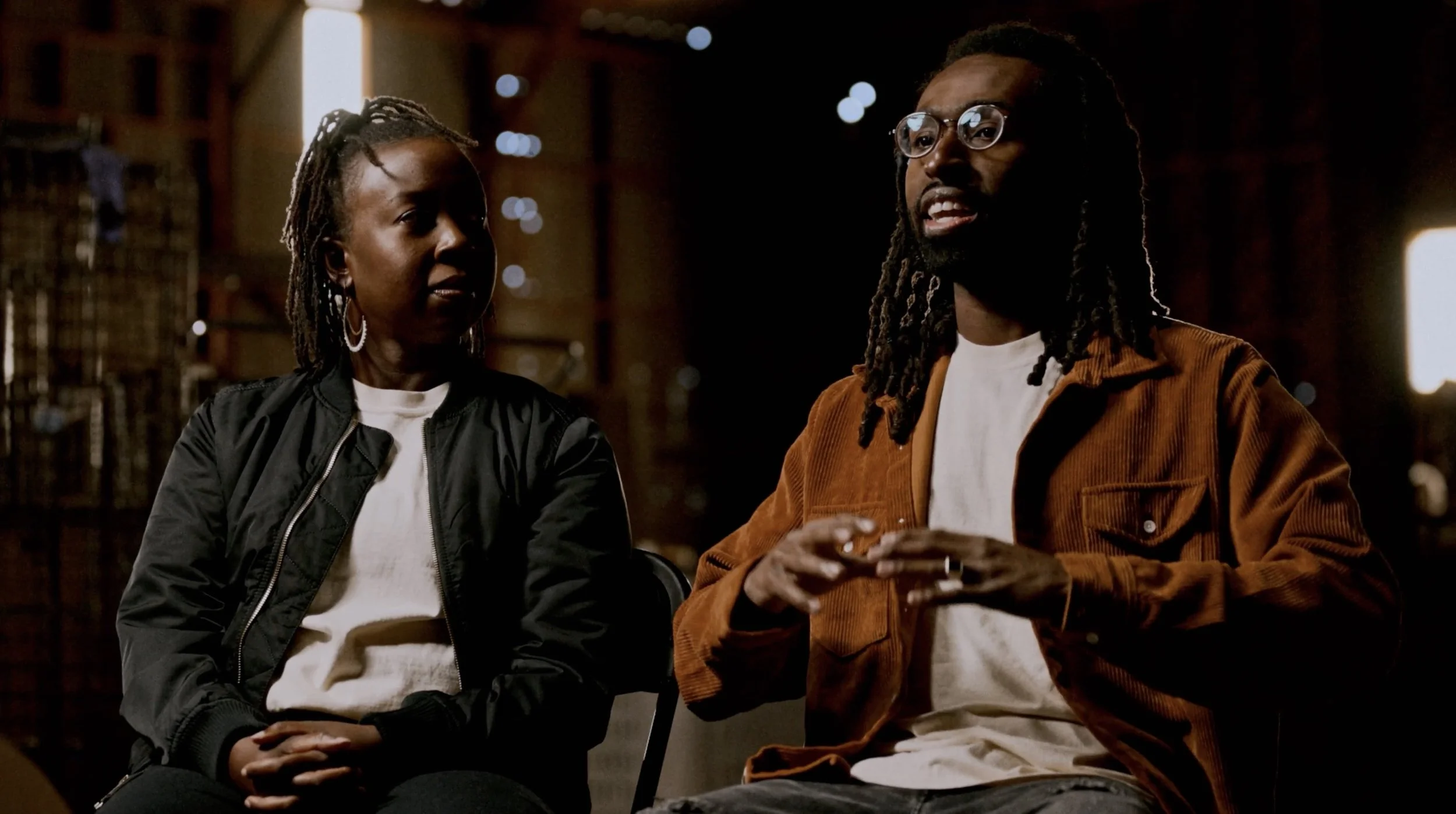
In May 2025, we made our reverse migration from Phoenix, AZ to Durham, NC—returning not only to the South, but to a specific street where Kendall’s second-great-grandmother, Fannie Enoch McCoullough Latta, once lived before she was displaced by Urban Renewal (aka, Negro Removal). Today, we live on that same block in the Historic Hayti District. Our move was a deliberate act of remembrance and repair—rooting ourselves in a place where our family’s story was interrupted and now has a chance to be continued.
We chose Durham because it is a living archive of Black resilience, creativity, and community-led brilliance. It is also where we are invited into partnership and accountability. We serve as the Social Justice & Outreach Ministers at Monument of Faith Church, we are members of the Grant Street Community—where Erin serves as Secretary—as we steward a 15-year neighborhood plan focused on cultural preservation, community wellness, and youth development. As this work grows, we hope to cultivate future partnerships with local institutions such as North Carolina Central University (NCCU), especially around student presence, mentorship, and spiritual formation when the time is right.
BLK South was birthed from the call of reverse migration: to return to the Black South to mend narratives, reclaim cultural identity, and participate in the ongoing work of healing places harmed by displacement, divestment, and erasure.
Now rooted in Durham’s historic Hayti District, we are carrying out our mission through:
Healing Through Play and trauma-informed leadership development
Creative justice through art, memory, and storytelling
Spiritual formation shaped by the margins
As we serve the city of Durham, our intention is not to overshadow, replace, or assimilate, but to walk in step with the community’s wisdom. We practice Asset-Based Community Development (ABCD)—recognizing the strengths, gifts, and resources that already exist here. Rather than centering deficiency, we center the inherent beauty and agency of the communities we join.
And this is only the beginning.
We are actively forming partnerships with local nonprofits, churches, and community leaders who share our commitment to healing, joy, justice, and belonging. In the coming year, we will launch three community-based initiatives designed to amplify Black stories, leadership, and sacred spaces in Durham.
Our hope is that what takes root here will ripple outward—inviting other cities to reimagine their future through the lens of justice, memory, and sacred place.
→ Learn more about our pilgrimage to Durham
→ Support our work here
Our Vision
BLK South Offerings
-

Local
Our local offerings are rooted in a deep love for the South and a commitment to the places and people who shape it—especially here in Durham. Grounded in the city’s complex history and vibrant Black culture, these initiatives honor the resilience, creativity, and wisdom of African American communities while honestly engaging the systemic challenges that continue to shape daily life. Each local offering is an act of presence and care—like bringing a dish to a family cookout—designed to strengthen relationships, nurture belonging, and contribute to the shared wellbeing of the neighborhood. This is how we show up: attentive to place, accountable to community, and invested in cultivating a future where dignity, memory, and care are held together.
-
Regional
Our regional offerings grow out of our local commitments, extending the wisdom, practices, and lessons learned in Durham to communities across the South. We hold in-person gatherings and virtual learning spaces that create room for shared reflection, relationship-building, and collective imagination across distance and place. Shaped by a belief that land holds memory, this work honors the distinct histories and cultures of each community we encounter, especially those rooted in historic Black neighborhoods. Looking ahead, we hope to convene retreats for community development practitioners serving across the Southern region—spaces for rest, learning, and mutual encouragement. Together, these offerings invite learning across difference, the sharing of resources, and the cultivation of relationships that strengthen the South as a whole—rooted in care, responsibility, and a deep love for the places we call home.
Buy Clothing
Buy Clothing


Introducing the BLK South Saint Collection – honoring the impactful legacy of Black ancestors who left an unforgettable mark on the South and our nation at large. Designed by Erin, our tees celebrate these figures, affectionately called "saints" for their profound impact on the Black community and culture. Click below to explore their stories and support our work in Durham, NC.
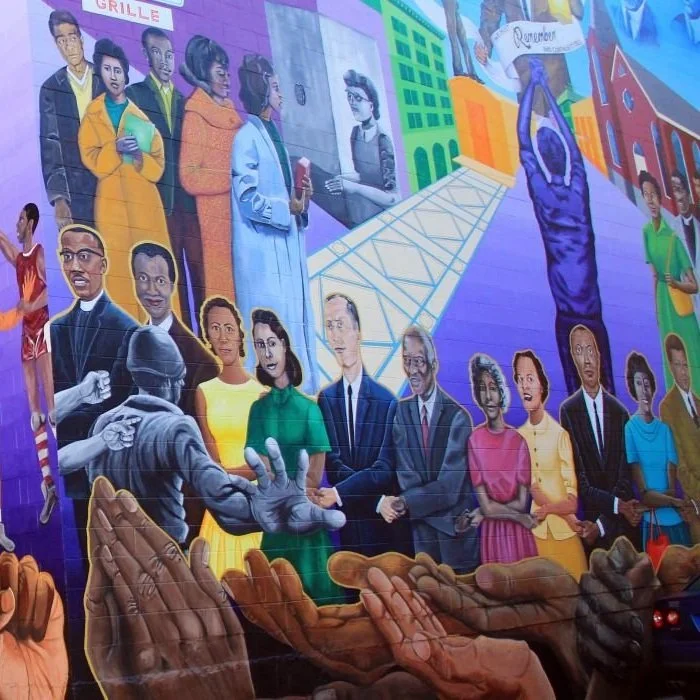
“Black culture is in the jazz and blues that were born in the South, and in the Black social welfare organizations and Black fellowship organizations that thrive there. ”
In the South, Black culture is primary: it is expressed in powerful Black churches and impressive Black colleges, which, according to a Newsweek report citing United Negro College Fund data, ‘produce 70 percent of all Black dentists and doctors, 50 percent of Black engineers and public school teachers, and 35 percent of Black lawyers.’”
Excerpt From: Charles M. Blow. “The Devil You Know.”


What keeps us going when the work of justice feels like an endless fight? In “Facing the Storm,” Desireé Lucas draws on her Black Pentecostal upbringing, the wisdom of church mothers, and Frederick Douglass’s witness to explore the struggles of everyday life and the pursuit of collective liberation. From recurring bills and strained relationships to community organizing and confronting systemic inequality, she names the burdens that can leave us weary and uncertain. Yet struggle also connects us to those who came before us and persevered toward freedom. With honesty and hope, Desireé invites us to make room for rest, gather our courage, and face the storm together—trusting that the progress we seek may lie beyond the clouds.