After the Roll Call: Grief, Unexpected Anxiety, and the Work Ahead
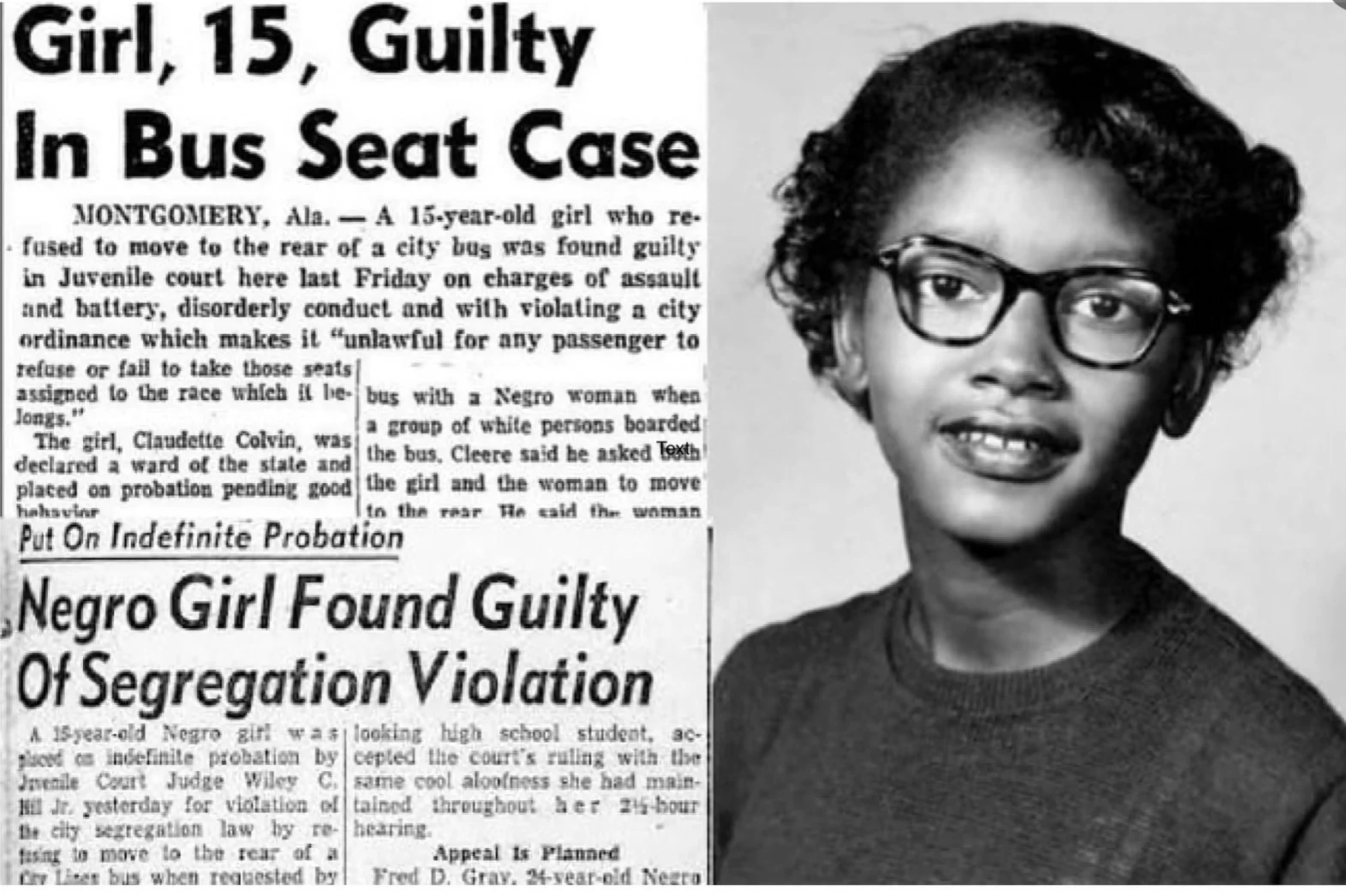
Photo of a newspaper clipping sourced from Claudette Colvin and published in a Guardian profile in 2021.

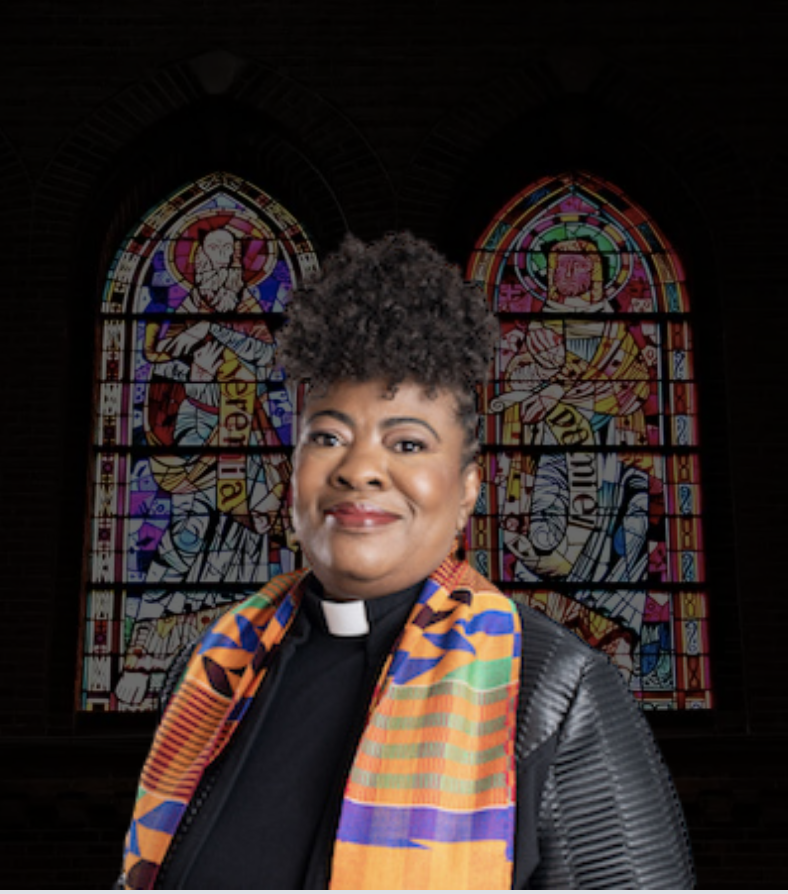
Rev. Dr. Gould is affectionately known as “The Pastor in the Public Square.” She serves as Political Director at a national faith-led organizing network, is an A.M.E. faith leader, and is the founder of In the Public Square and a coming-soon podcast, Unmuted: Faith in the Public Square. A gifted writer, her mentorship and coaching were instrumental in helping us birth BLK South, and we are deeply honored to have her serve on our board. Learn More
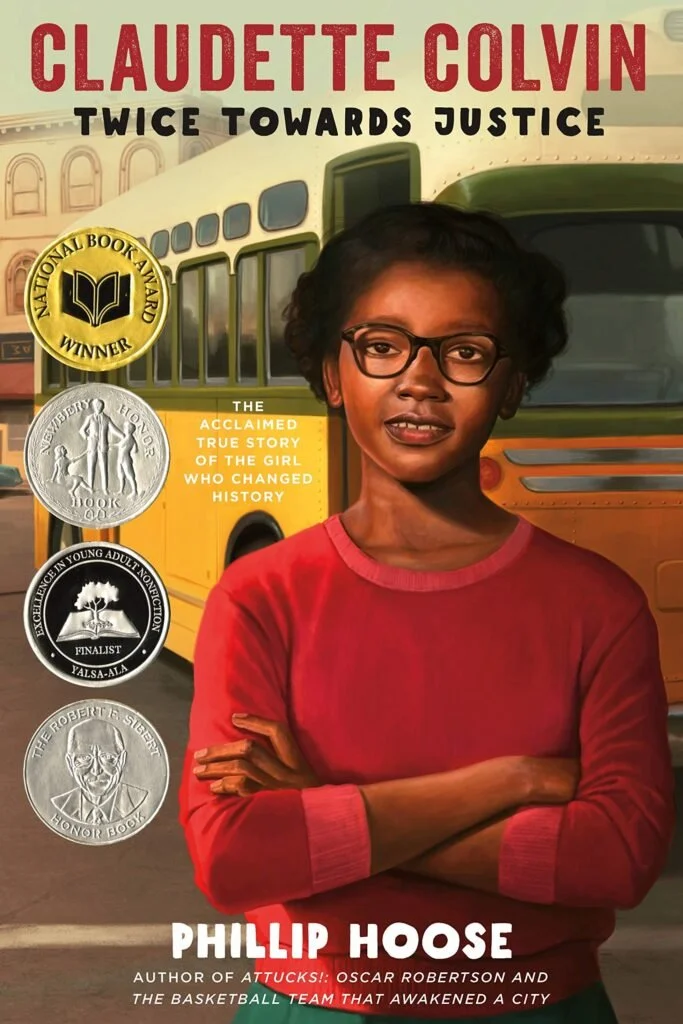
Over the past several weeks, I have been carrying the poignant weight of communal grief. The season began with the passing of Claudette Colvin, the forerunner to Rosa Parks, whose story has too often been marginalized by the historical conditioning that allowed space for only one “acceptable” Negro woman at a time. On March 2, 1955, in Montgomery, Alabama, fifteen-year-old Claudette Colvin refused to surrender her seat to a white passenger on a segregated bus nine months before the Montgomery Bus Boycott began.
Mother Colvin passed on January 13, 2026, and was laid to rest on January 24. Unlike Mother Rosa Parks, she did not lie in state at the Capitol. While people gathered from across the country to honor her life, presidents did not attend her service. Yet her courage helped bend the arc of history. Mayor Steven Reed of Montgomery shared these words at her service: “Claudette Colvin's life reminds us that movements are built not only by those whose names are most familiar, but by those whose courage comes early, quietly, and at great personal cost,” Reed said. “Her legacy challenges us to tell the full truth of our history and to honor every voice that helped bend the arc toward justice.”
In the aftermath of her death, I felt the weight of the many Black women who give and lead without acknowledgement. Her passing was followed by the death of our beloved Rev. Dr. Jesse Jackson, whose life and witness moved from trial to triumph when he transitioned on February 17, 2026. I had the privilege of attending one of the public visitations in Chicago during the nine days of celebrations held in his memory.
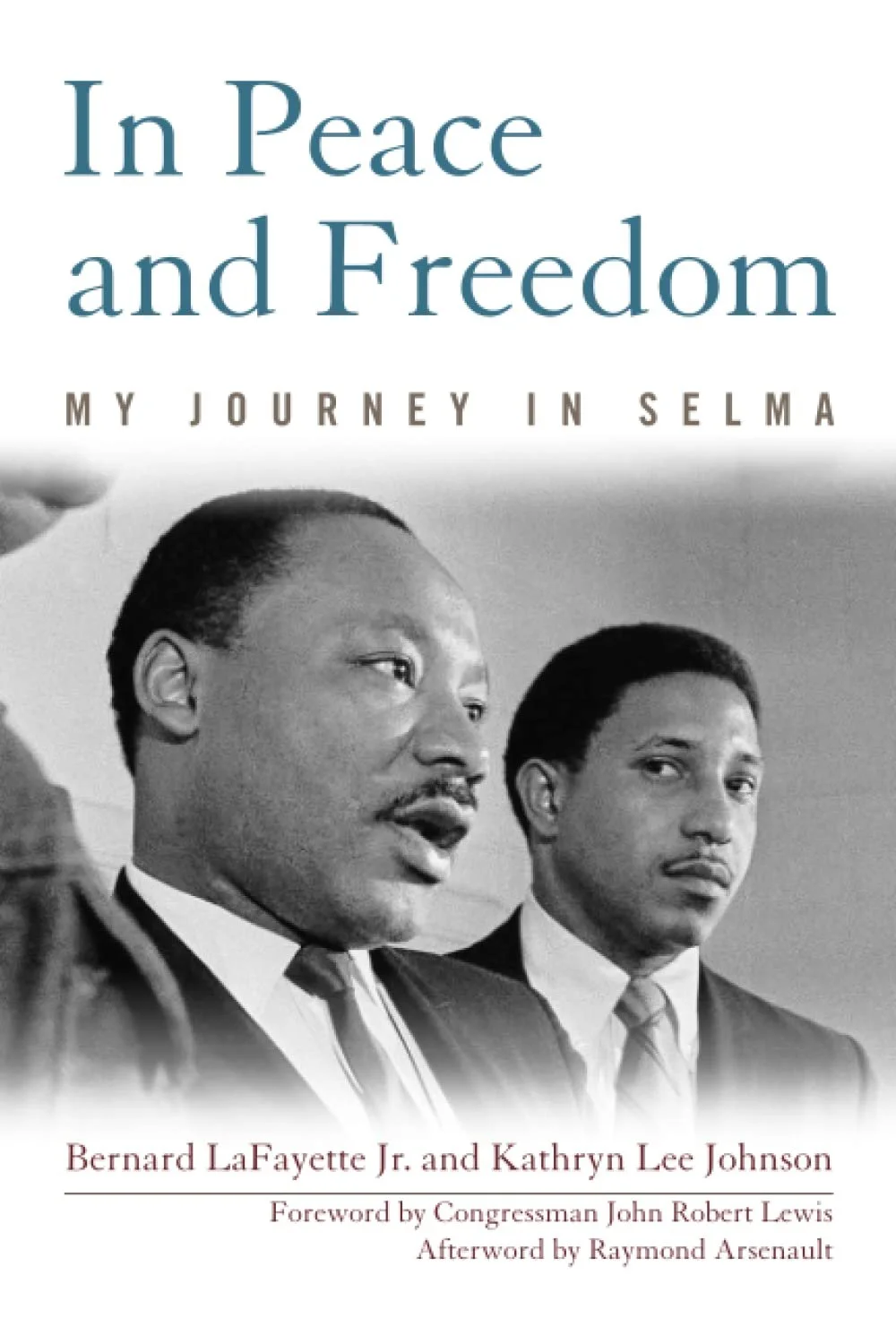
Just two days after his earthly departure, another civil rights icon crossed over, Joanne Bland, who as a child became the youngest person arrested in Selma during the movement. Before we could even lay Rev. Jackson to rest, Dr. Bernard Lafayette, one of the key organizers of the Selma to Montgomery marches and an architect of the Voting Rights Act of 1965, also crossed over.
These were my mother’s contemporaries. They belonged to the generation that birthed me both physically and spiritually. While I spent more time in the company of Rev. Jackson than the others, my connection to each of them was mediated through the living memory of history and through my proximity to that history as a daughter of Alabama.
I never had the opportunity to meet Mother Colvin. I met Joanne Bland when she served on a panel, and I only had the privilege of meeting Dr. Lafayette a couple of times. Still, there was a sense of fictive kinship. Their stories were woven into my mother’s story and therefore into my own.
I cast my first presidential primary vote for Jesse Jackson.

Chicago 2026, Jesse Jackson's funeral.
Many witnessed the online expressions of disappointment and, if I am honest, the hurt expressed by some of us within the Black prophetic church tradition after former President Barack Obama delivered remarks at Rev. Jackson’s funeral. As he “called the roll” of Chicago pastors who had shaped his journey, he neglected to acknowledge his former pastor and de facto pastoral mentor—and so much more to many of us—Rev. Dr. Jeremiah Wright, Jr.
This week, I find myself on an island in a diverse movement cohort as part of a fellowship in which I am participating. As we stood together in a circle responding to the prompt, “What are you feeling?”, I heard myself say something I had never said before.
“Anxious.”
The word startled me as it left my lips. I almost tried to pull it back because it placed me in unfamiliar territory. I am the one who stays cool in a crisis, the one who knows how to move in moments of urgency. Yet there it was.
Anxious.
It is, of course, a human emotion. And in the twenty-four hours since naming it, I have realized something sobering: I am not immune to the very forces I struggle against.
We are living through the unfolding reality of another war, this time with Iran. There are dead children in Iran as a result of bombs dropped by us, just as there are dead children in the Gaza Strip. I feel anxious because apparently we will normalize these deaths as we have normalized the deaths of Black children in North St. Louis, the South Side of Chicago, north of the river in DC, and in so many other urban corridors.
I feel anxious because almost every week there is another convening, another coalition assembled to “save democracy,” another effort to build a united front for multiracial democracy in the face of authoritarianism. Yet in those very rooms, there is rarely a full reckoning with race, class, or faith. The language of strategy abounds, but the moral and historical narratives that undergird the struggle are often absent.
It is an election year. Brilliant political minds are focused on flipping seats, calculating margins, and modeling turnout. Yet too often they fail to address the deeper wounds: the fears, the extreme racism, the patriarchy, the misogynoir that persists within movement spaces, and the dead bodies—both in our communities and across the globe.
I feel anxious because political scientists and organizers spend millions traveling abroad to study how other nations resist authoritarianism, while the people who once stood on or near the Edmund Pettus Bridge hold lessons, clues, and receipts about how to confront homegrown racism. Yet just as quickly as President Obama spoke the names of pastors, they are being called home.
I feel anxious because the succession plan is not clear—mine nor some of theirs. I feel anxious for their peers, my mentors, whose circles of comradeship are now broken.
Yet beneath the anxiety is something else: urgency.
An urgency to do my part in my time, so that my children’s children’s children will not have to keep crossing that bridge, and so that the work of those who were first on the bridge with my mama will not have been in vain.
R E C O M M E N D E D R E A D I N G