Donkey Power?

Kendall Dooley is a community development practitioner, scholar, and co-founder of BLK South, a nonprofit organization dedicated to reclaiming and revitalizing historic Black neighborhoods in the South. With a background in Criminal Justice and Missional Theology, Kendall brings a deep commitment to improving the quality of life in under-resourced communities through holistic development, cultural preservation, and creative place-making. His work is shaped by his passion for justice, Black history, and fostering spaces where communities can flourish on their own terms. Learn More
We recognize that not everyone engaging these words shares the same faith tradition—or any faith tradition at all. At BLK South, we value spaces where people of many backgrounds can wrestle with questions of meaning, power, community, and what it means to live well together. Whether you approach this story as sacred text, cultural narrative, or simply a lens for reflection, you are invited to engage it in a way that is honest to your own experience.
Palm Sunday is approaching in a moment where many of us are carrying both personal and collective weight. In our neighborhoods, in our communities, and across our country, there is a longing for something that can hold us together and help us make sense of what we are experiencing. At BLK South, we often say that place matters—that where we are shapes what we see, what we believe, and what we imagine is possible. So as we enter this story of Jesus approaching Jerusalem, we don’t come as distant readers. We come as people rooted in place, asking what this moment might reveal about the kind of world we are participating in and the kind of world we are longing for.
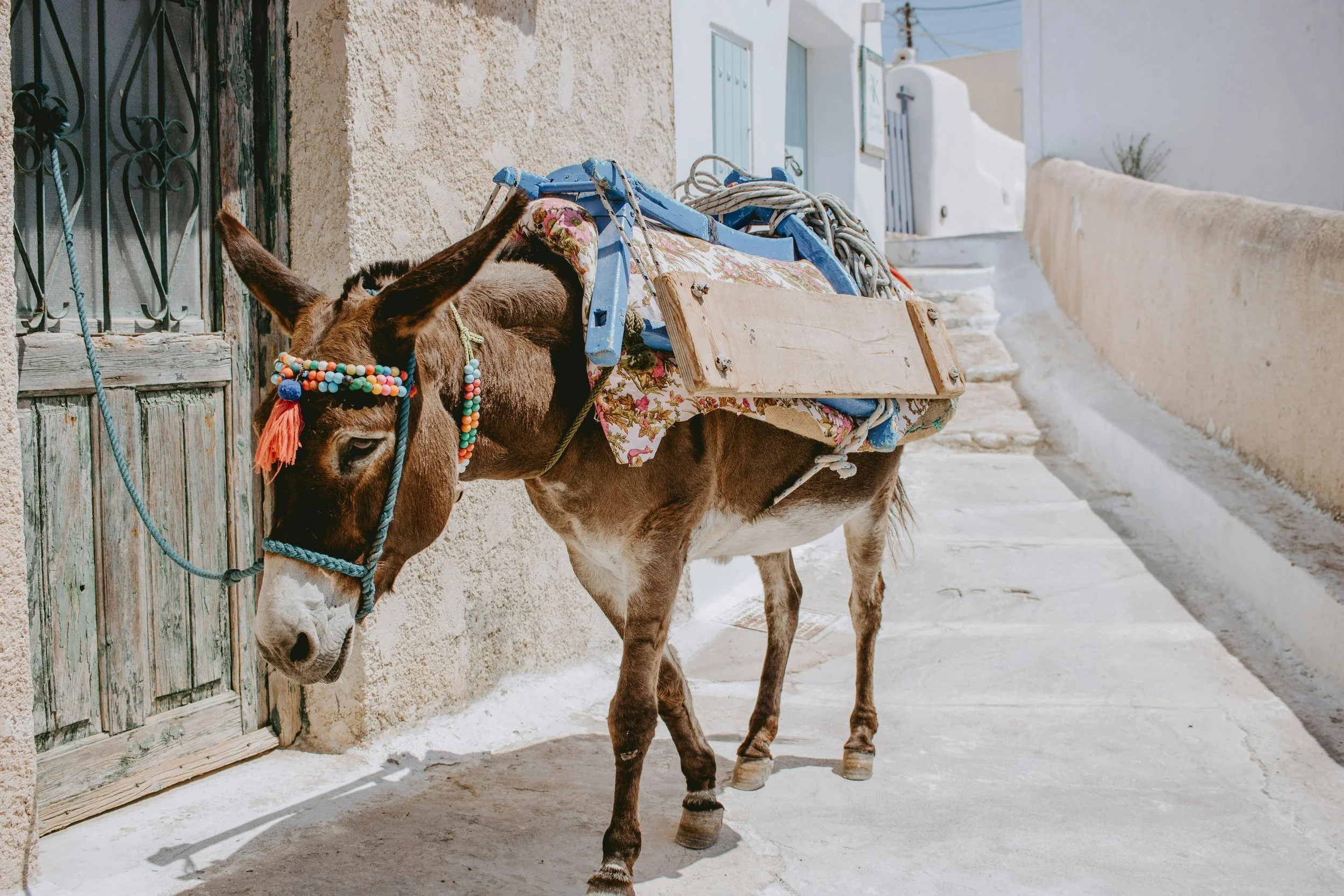
The Scripture for Sunday (Matthew 21:1–11) is filled with symbols—palm branches, cloaks, and shouts of “Hosanna.” Yet at the center of it all is an image that feels almost out of place: a donkey. Not a war horse, not a chariot, not a display of dominance or force, but a donkey. I remember when I was working at Neighborhood Ministries in Phoenix, one of our pastors preached a sermon called Donkey Power, and it stayed with me because it named something I think we struggle to believe in: a kind of power that is humble, that serves, and that accompanies rather than dominates. It raises a question that has lingered with me ever since—why is it so difficult to trust that kind of power?
The same crowd that shouts “Hosanna!” is not far from the crowd that will shout “Crucify him,” which makes me wonder whether they ever truly believed in donkey power at all, and whether we do. Part of the difficulty, I think, is that donkey power does not feel like power. It does not stir the same confidence or urgency, and it does not appear strong enough to confront the realities we face. If I am honest, I often find myself drawn toward what looks like it can win, protect, or control outcomes. That instinct reveals that what is at stake here is not simply power itself, but how we have been formed to recognize and define it.
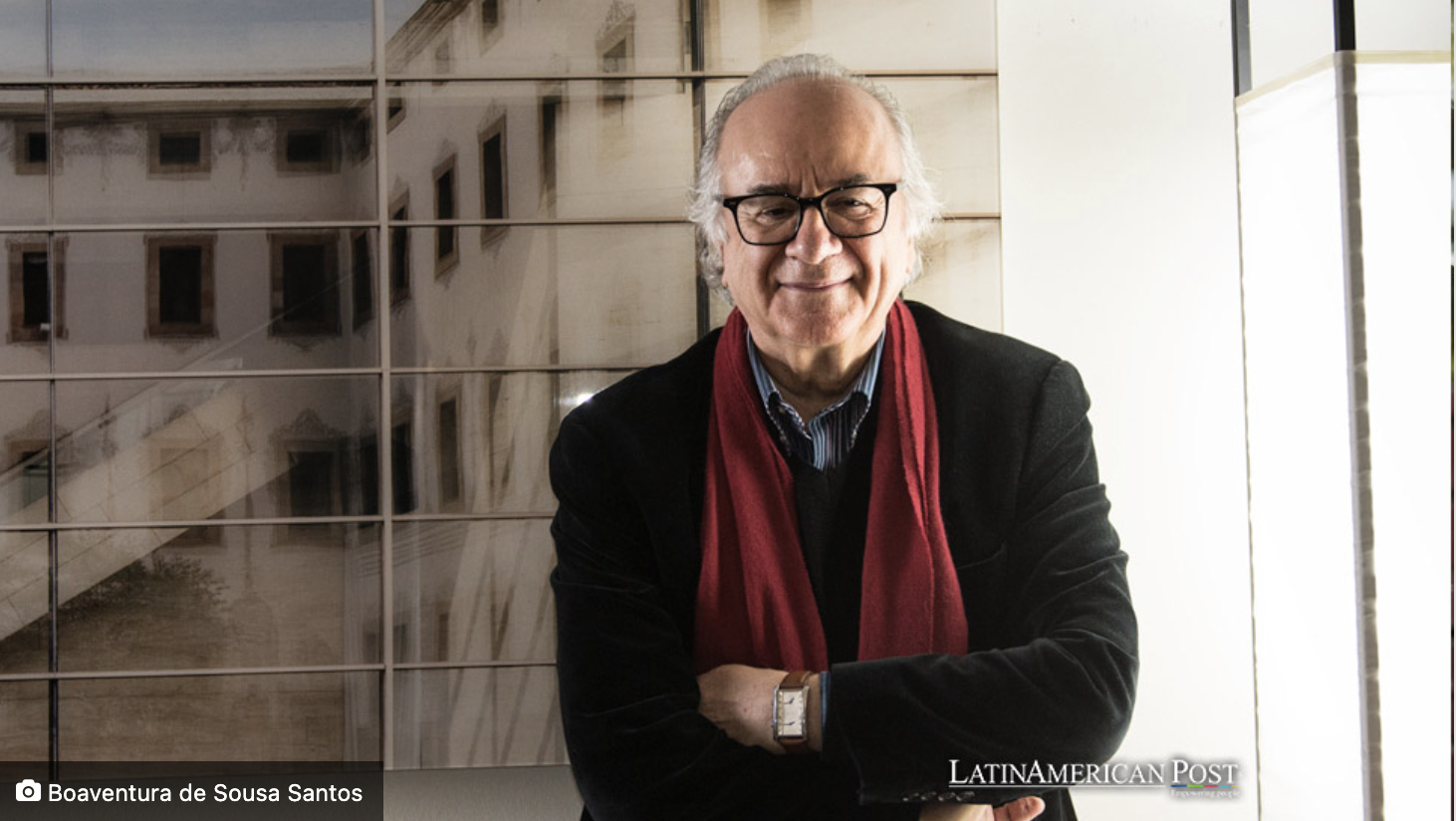
Portuguese intellectual and sociologist, Boaventura de Sousa Santos.
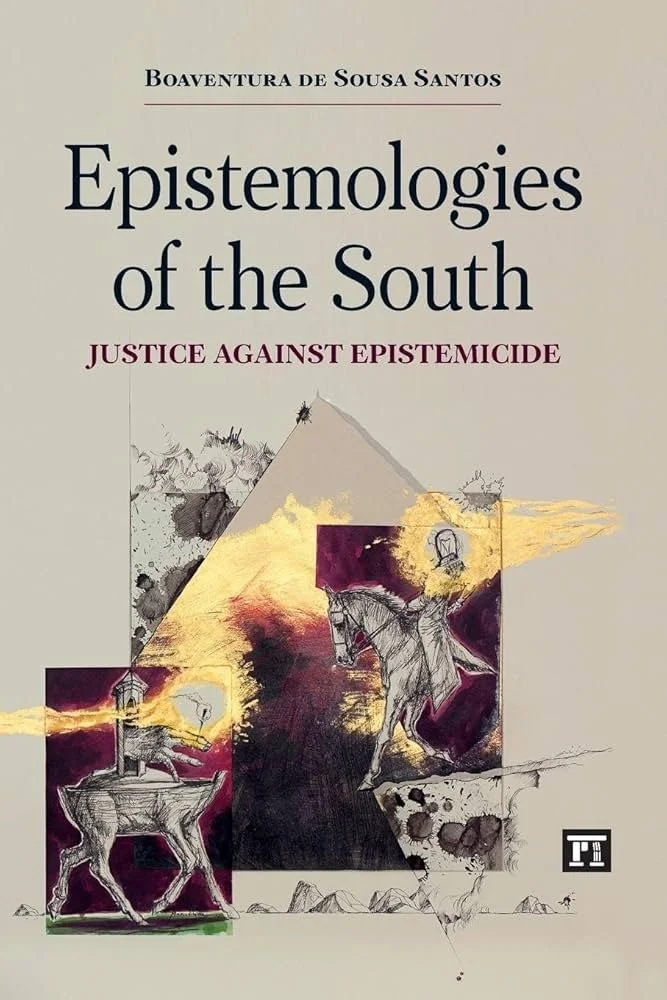
Boaventura de Sousa Santos, in Epistemologies of the South, argues that the world is shaped by dominant ways of knowing that determine what is visible and what is rendered invisible. At the same time, it is important to acknowledge that multiple women have come forward with accusations of sexual harassment and abuse of power against Santos, and we hold a posture of taking these testimonies seriously and believing women, even as we engage his work critically.
He calls this the “sociology of absences,” where entire ways of being and knowing are treated as though they do not exist, not because they are absent, but because our systems refuse to recognize them. When I think about this, I begin to wonder if donkey power is one of those absences. We live in a world shaped by what could be called horse power, a dominant understanding of power rooted in strength, speed, control, domination, and conquest. This is the kind of power that builds empires and promises protection through force, and it is the kind of power we have been trained to trust.
We see this dynamic even now in the desire for leaders who present themselves as strong, ruthless, and willing to dominate in order to protect. Horse power assures us that survival depends on being the toughest and most forceful presence in the room. Against that backdrop, Jesus’ decision to enter Jerusalem on a donkey is not incidental; it is a rejection of that entire framework. Donkey power represents a different way of being in the world, one that is relational rather than dominating, vulnerable rather than armored, communal rather than individualistic, and faithful rather than controlling. It is not the absence of power but a fundamentally different expression of it.
The challenge is that we have been formed in ways that make this kind of power difficult to recognize. Santos describes this as epistemological blindness, a learned inability to see beyond what we have been taught is real or valuable. As a result, when donkey power appears, it is often dismissed as weakness, impracticality, or failure. This is where the tension becomes personal for me, because when I look at my neighborhood and the challenges we are facing, I find myself questioning whether this kind of power is sufficient. I wonder whether humility, relationship, and slow, faithful presence can actually address what feels urgent and overwhelming, especially when everything around us suggests that real change requires force, speed, and control.
We are shaped by stories that celebrate conquest and normalize domination, and over time those stories define what feels realistic. In that context, Jesus entering on a donkey does not simply feel unfamiliar; it feels implausible. This may help explain why the crowd turns, because donkey power asks something different of us. It requires trust and imagination, and it invites us to believe that love, humility, and presence are not passive but deeply consequential. That kind of belief is difficult to sustain because donkey power does not guarantee outcomes or protect us from loss, yet it gestures toward a different kind of world.
Santos speaks of counter-hegemonic ways of knowing that emerge from the margins, from communities whose knowledge has been ignored or dismissed. Donkey power resonates with this idea because it reflects a way of living shaped not by domination but by connection, care, and endurance. It emerges from places that understand survival as something communal rather than competitive. To trust this kind of power requires unlearning much of what we have been taught and acknowledging that the forms of power we have relied upon may not actually lead to life.
This realization can feel unsettling, but it also opens up a different possibility. What if donkey power is not weak, but we have simply been conditioned not to see it? What if what appears insufficient is actually what sustains life at its deepest level? Palm Sunday, then, becomes more than a moment of celebration; it becomes a moment of confrontation, inviting us to examine the ways we still place our trust in horses while overlooking the significance of the donkey.
The question is not only whether the crowd believed in donkey power, but whether we do, and whether we are willing to learn how to recognize it. If the issue is not absence but perception, then the invitation is to begin paying attention in new ways. This might mean noticing the forms of power that are already present in acts of care, in quiet faithfulness, in relationships that hold people together, and in communities that refuse to give up on one another. These realities are easy to overlook, not because they lack significance, but because they do not conform to the dominant narratives of power we have inherited. Learning to see them may be where faith begins.
Reflection Questions:
When you think about power, what usually comes to mind—and where did you learn that from?
Where have you seen a quieter, more relational kind of strength in your life or community?
R E C O M M E N D E D R E A D I N G