How a Neighborhood Conversation Led to the New York Times
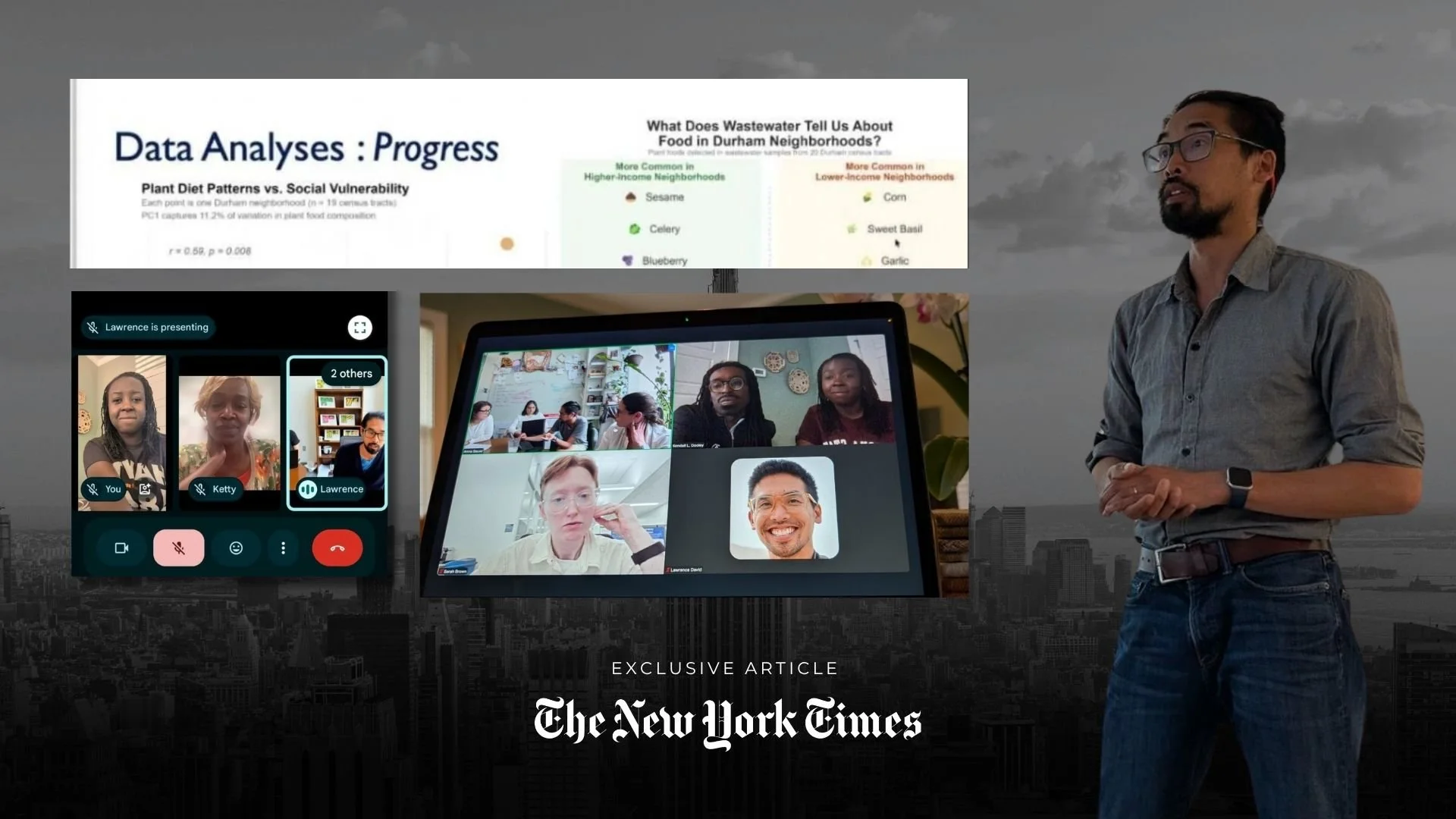
Back in April, Kendall and I attended our neighborhood's District 4 PAC meeting, where we heard Dr. Lawrence David and members of Duke University's Edible Atlas Lab present their research on wastewater nutrition surveillance.
After the presentation, we introduced ourselves and asked a simple question:
"Would you be interested in partnering with our neighborhood?"
We shared the story of the historic Hayti District and the work that has been unfolding here for decades. For more than 30 years, the Grant Street Ladies, alongside Bishop Clarence Laney and the congregation of Monument of Faith Church, have organized, advocated, and remained steadfast in their vision for a stronger neighborhood. Their persistence helped make the 21-acre Villages of Hayti affordable housing development a reality.
But the work isn't finished.
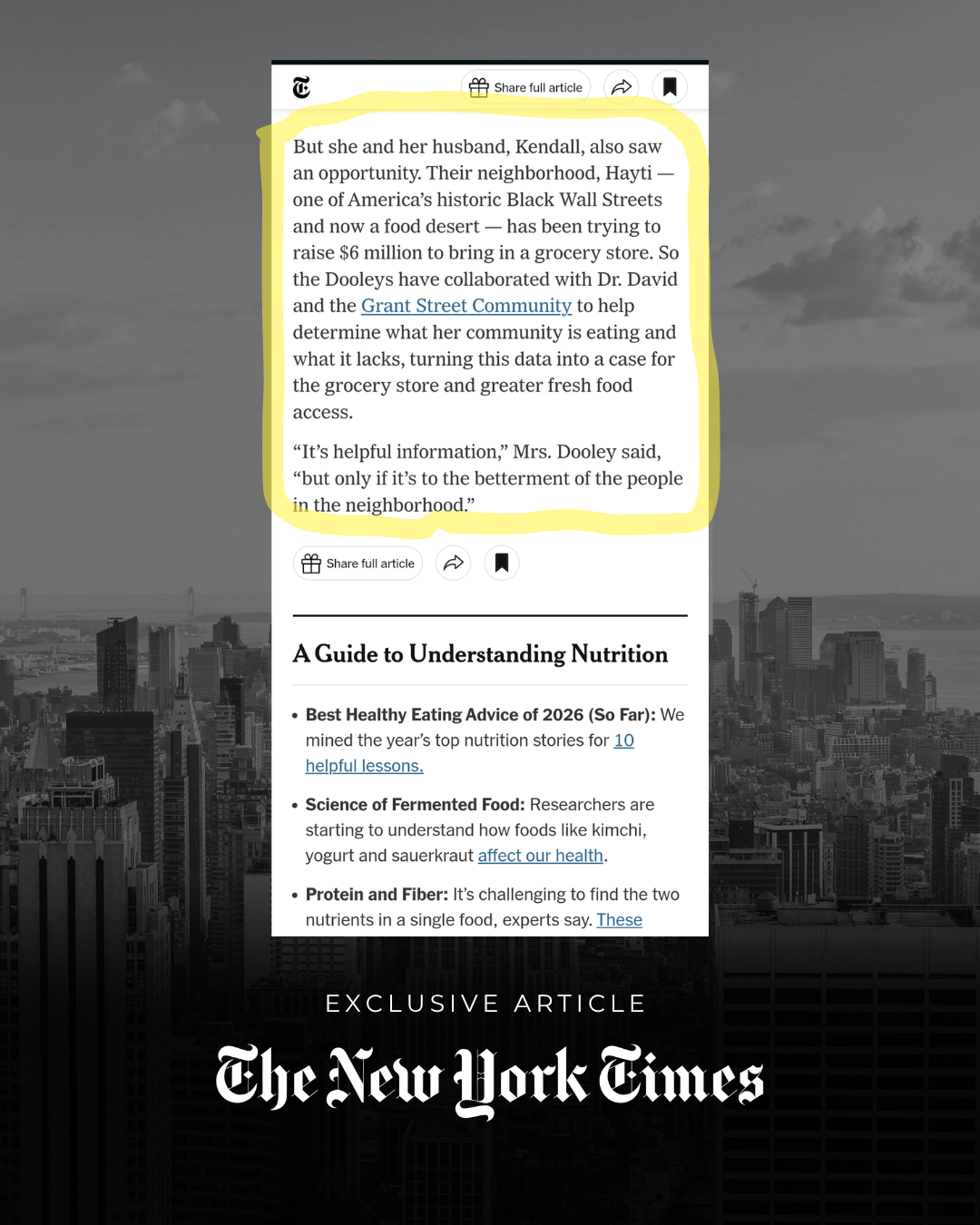
As new homes begin to take shape, our neighbors have continued to advocate for something equally essential: a full-service grocery store. Although space has been reserved within the development, a multi-million-dollar funding gap has prevented the grocery store from opening.
Rather than asking researchers to simply study our community, we asked something different.
Could research become a tool for advocacy?
Could data help tell the story our neighbors have been telling for years? Could it demonstrate why equitable access to healthy, affordable food matters? Could it strengthen the case that the historic Hayti District deserves the same investment and opportunities as every other neighborhood?
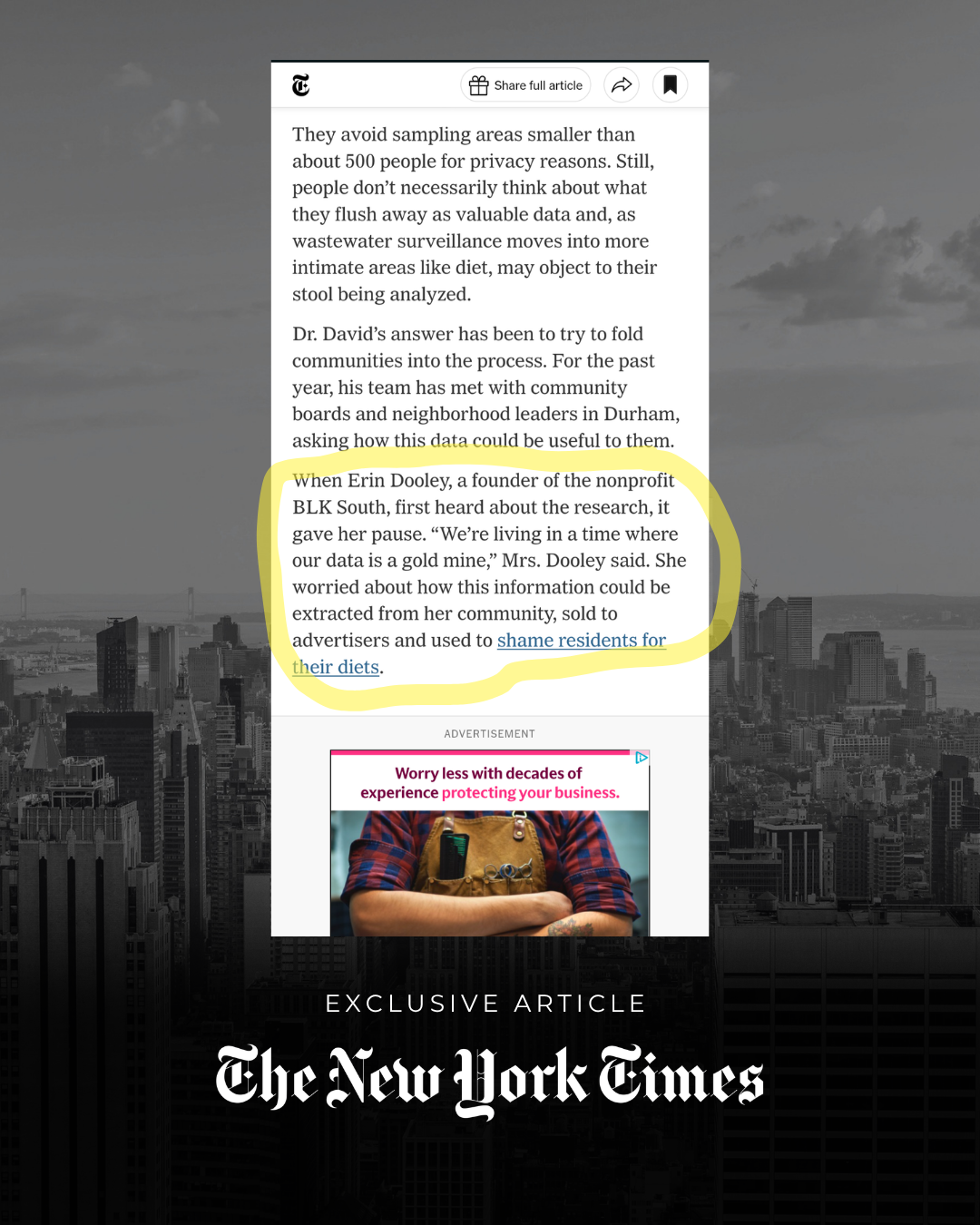
What stood out to us was Dr. David's willingness to approach research as a partnership rather than a one-way extraction of information. From the very beginning, there was a genuine desire to listen, collaborate, and explore how the resources of a major research institution might support goals already identified by neighborhood residents.
That posture matters.
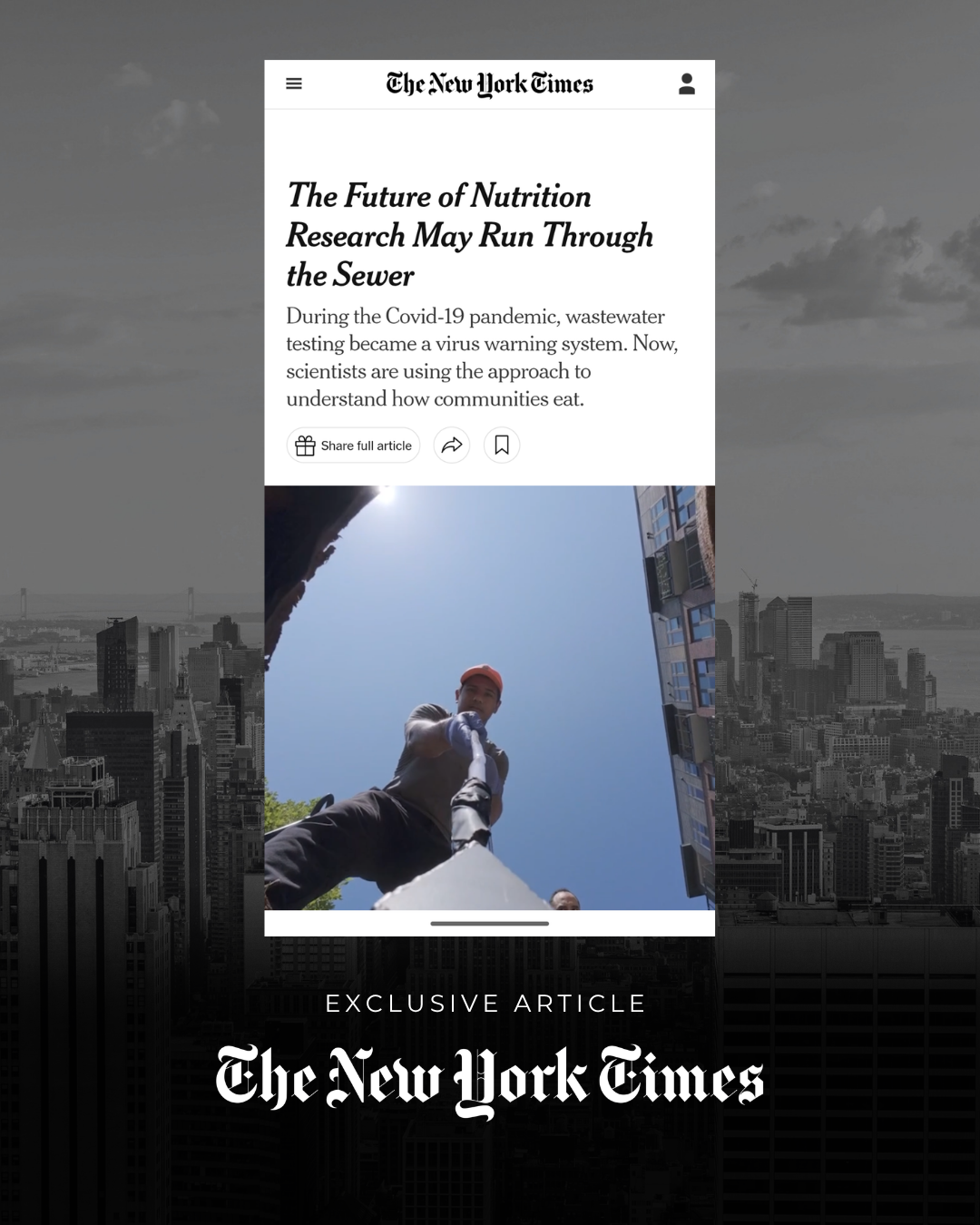
On July 3rd, Grant Street Community resident leaders, Erin and Kendall Dooley had the opportunity to be interviewed by Simar Bajaj, a journalist writing for The New York Times, about an exciting partnership developing between the Grant Street Community and Duke University's wastewater research team, led by Professor Lawrence David.
Too often, communities like ours experience research that extracts stories, data, and lived experiences without producing tangible benefits for the people who participated. This collaboration offered a different possibility—one where research serves community priorities instead of defining them.
Just four months after that initial conversation, we found ourselves witnessing something we never anticipated.
The New York Times will feature the Edible Atlas Lab's research and highlighted its collaboration with the Grant Street Community in the historic Hayti District.
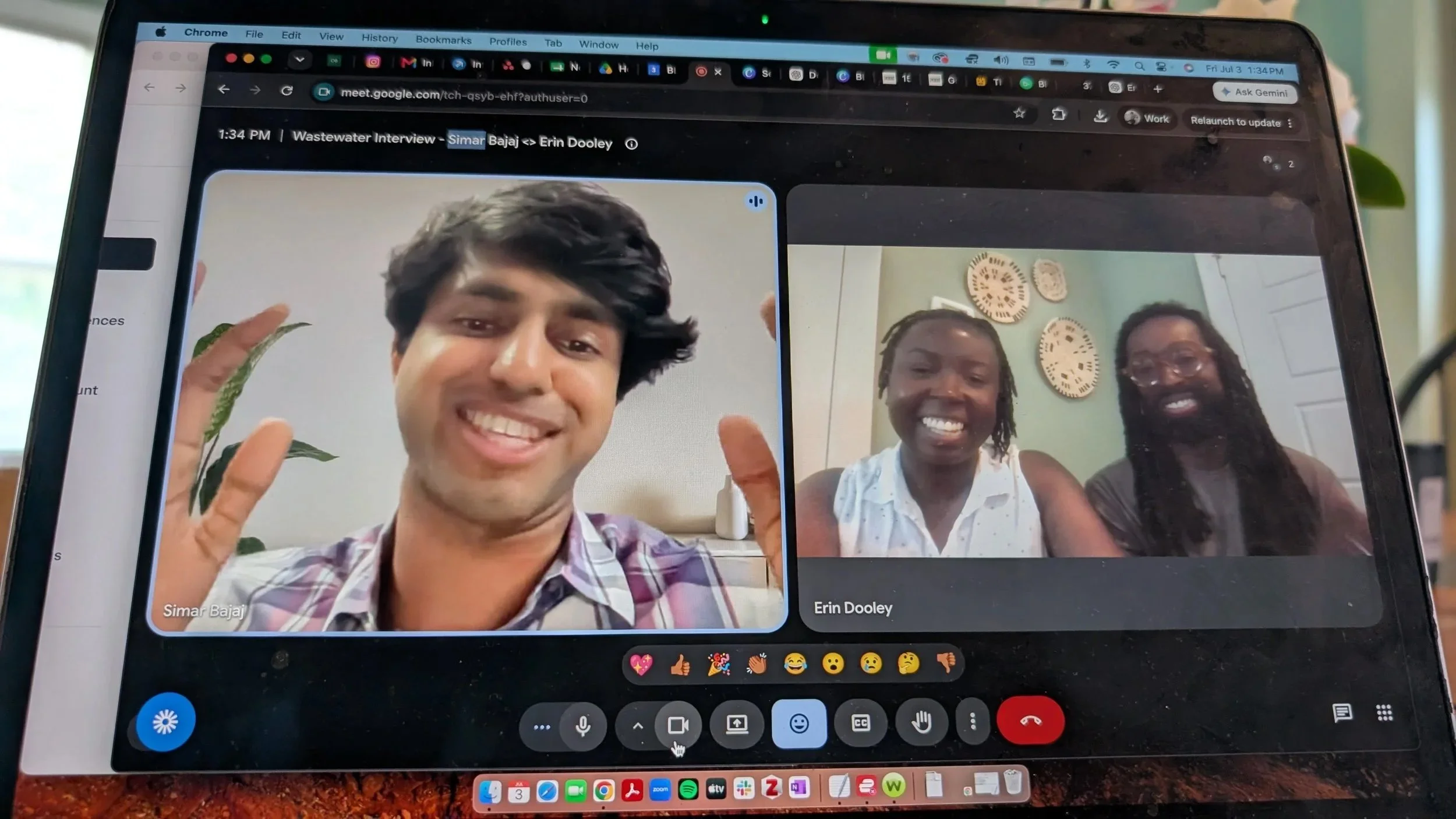
Our interview with New York Times journalist, Simar Bajaj - July 3, 2026.
While national recognition is exciting, headlines have never been the goal.
Our hope is that this attention helps move us one step closer to what neighbors have been asking for all along: a grocery store, greater access to healthy food, and continued investment in the people and places that have faithfully sustained Hayti through generations of change.
We are deeply grateful to Dr. Lawrence David and the entire Edible Atlas Lab team, to the Grant Street Community, Monument of Faith Church, and to every resident, partner, and advocate who has contributed to this work. This moment belongs to a much longer story of neighborhood leadership, perseverance, and hope.
The work continues—and we're grateful to continue walking alongside our neighbors as we imagine and build a healthier future together.