
Blog
A collection of weekly reflections written by BLK South community and board members.
Subscribe here to get them emailed to you.
Two Caged Birds
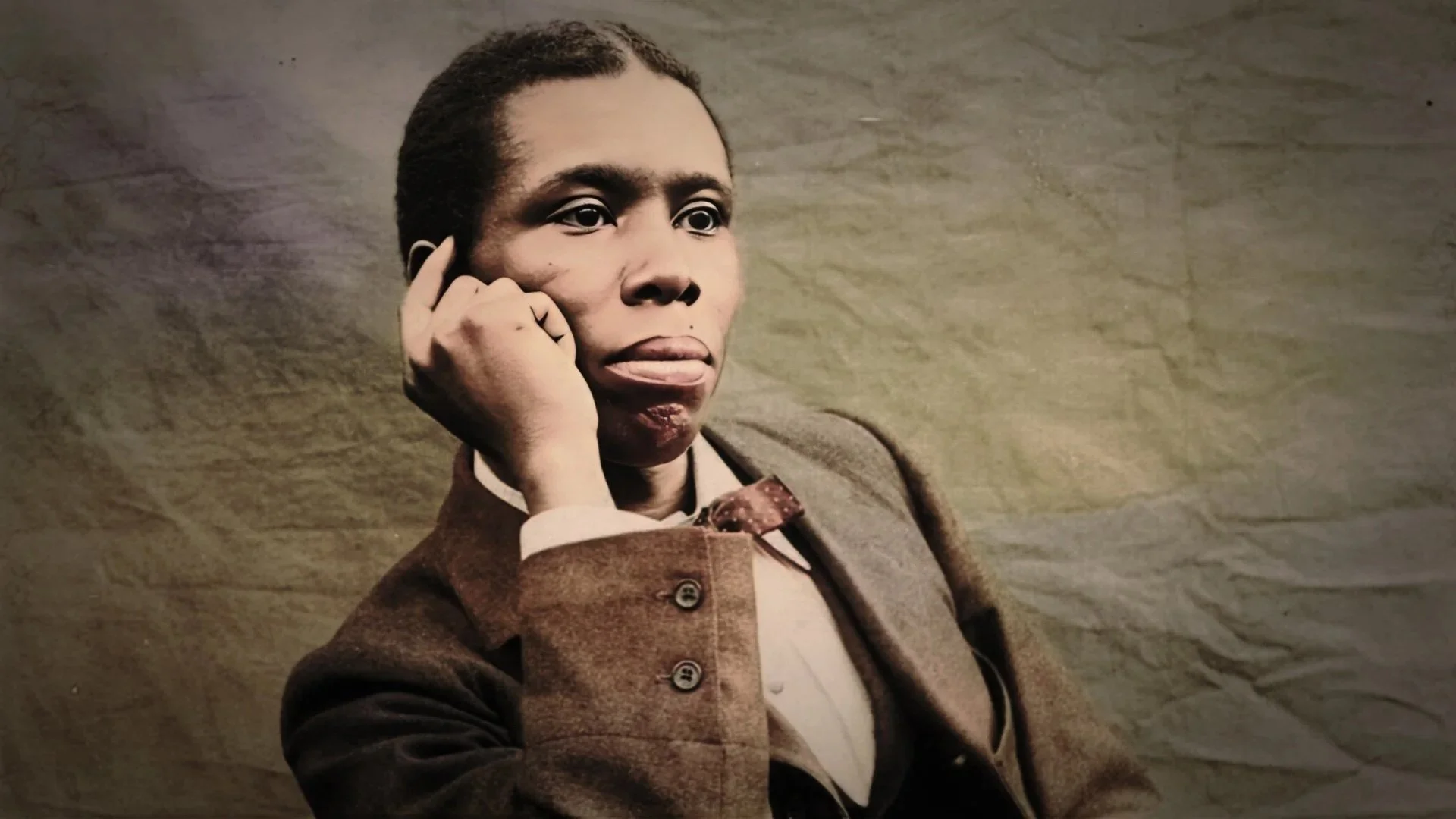
What happens when two caged birds encounter one another—each confined by different circumstances, yet each still reaching for freedom? In this reflection, I share the story of meeting Bull City, an unhoused neighbor whose dancing revealed a freedom that his circumstances could not contain. His movement became a mirror. A reminder that cages do not always look the same—and neither does freedom.
When History Rhymes
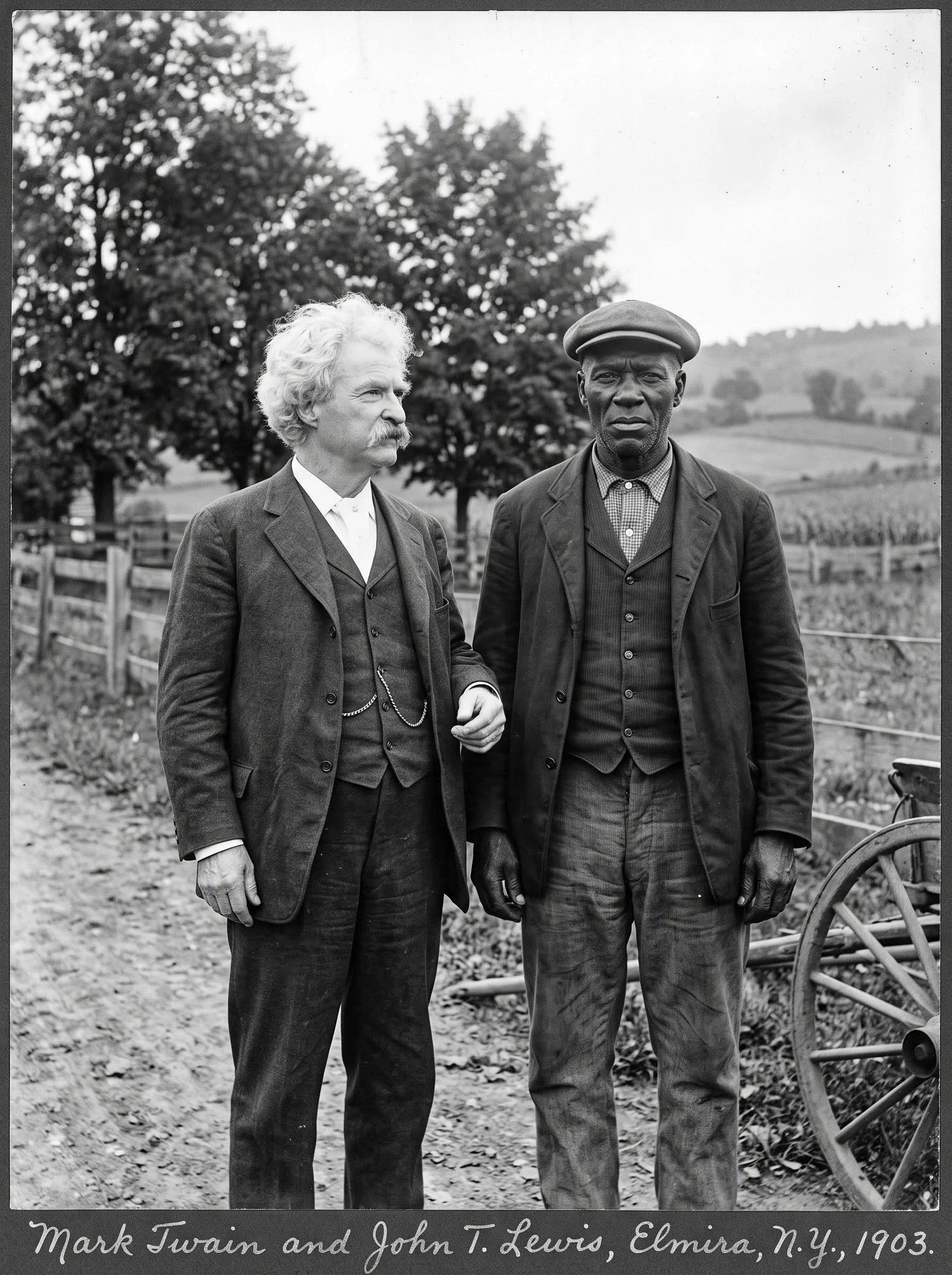
History may not repeat itself, but its rhythms often sound familiar. In this reflection, Kendall considers what it means to become “poets of history”—people who recognize the patterns echoing from the past and discern how old harms can reappear beneath new language and forms.
Drawing from the history of Durham’s Hayti community and BLK South’s work in the Grant Street neighborhood, Kendall reflects on the courage required to name these familiar rhythms. He invites us to imagine new ones that can help mend historical wounds and lead us toward more just, healing, and humane ways of living together.

How a Neighborhood Conversation Led to the New York Times
What began as a conversation after a neighborhood meeting became an unexpected partnership between the Grant Street Community and Duke University's Edible Atlas Lab—and just four months later, that collaboration was featured in The New York Times. This is the story behind the headlines, and why our neighbors' decades-long vision for a grocery store in the historic Hayti District remains at the center of it all.
National attention was never the goal. Our hope is that this moment helps amplify what residents have been advocating for all along: healthy food access, equitable investment, and a future shaped by the people who have faithfully called Hayti home for generations.
How the Grant Street Ladies, Monument of Faith Church, and BLK South Found One Another
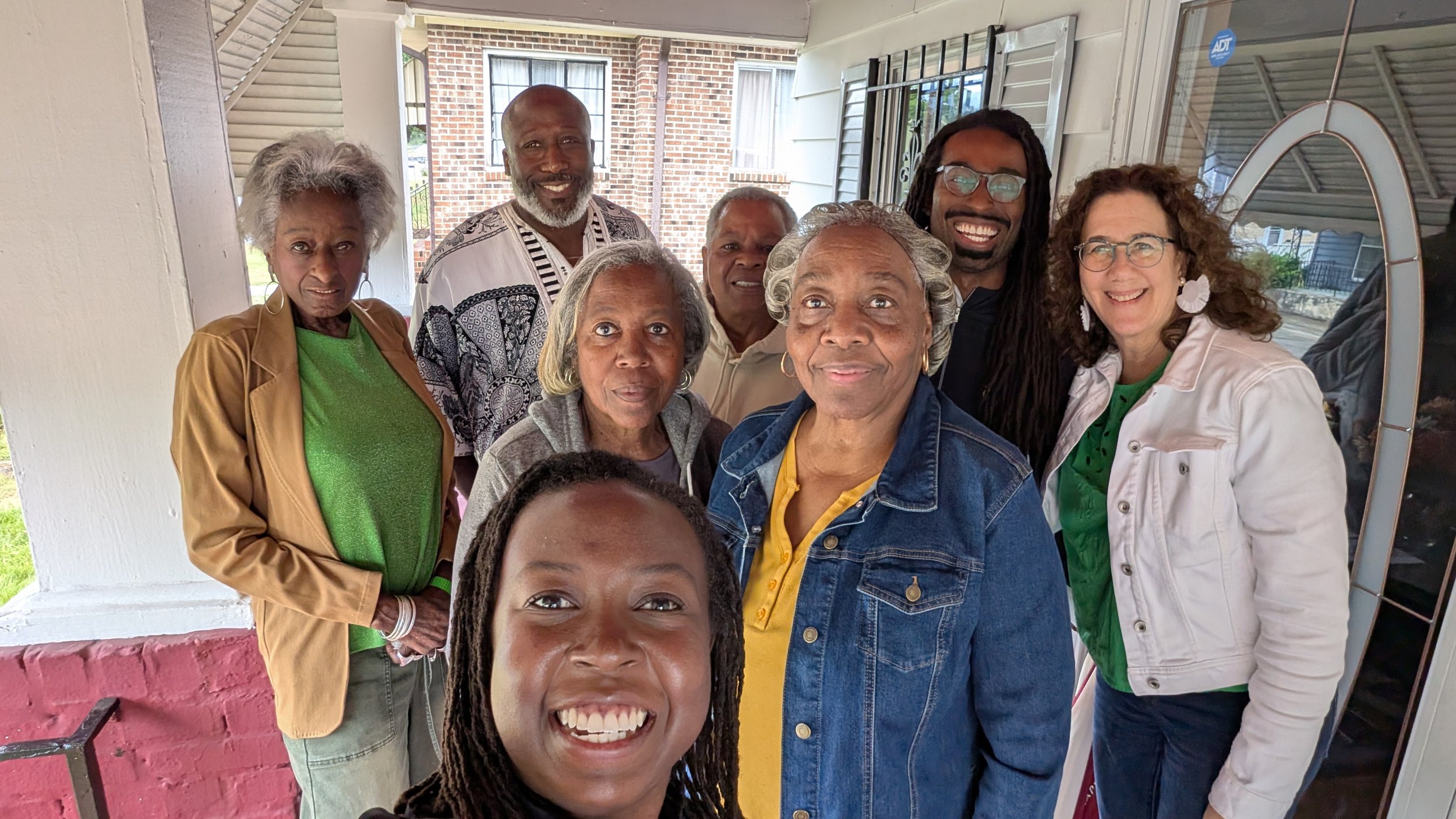
Some stories take generations to come together. This is the story of how Kendall and Erin Dooley's journey of tracing their family's Great Migration history led them to Durham's historic Hayti District, where they met the Grant Street Ladies and Monument of Faith Church—neighbors whose stories, commitment, and love for place have shaped a shared vision for the future.
Stories that Help Us Feel Again
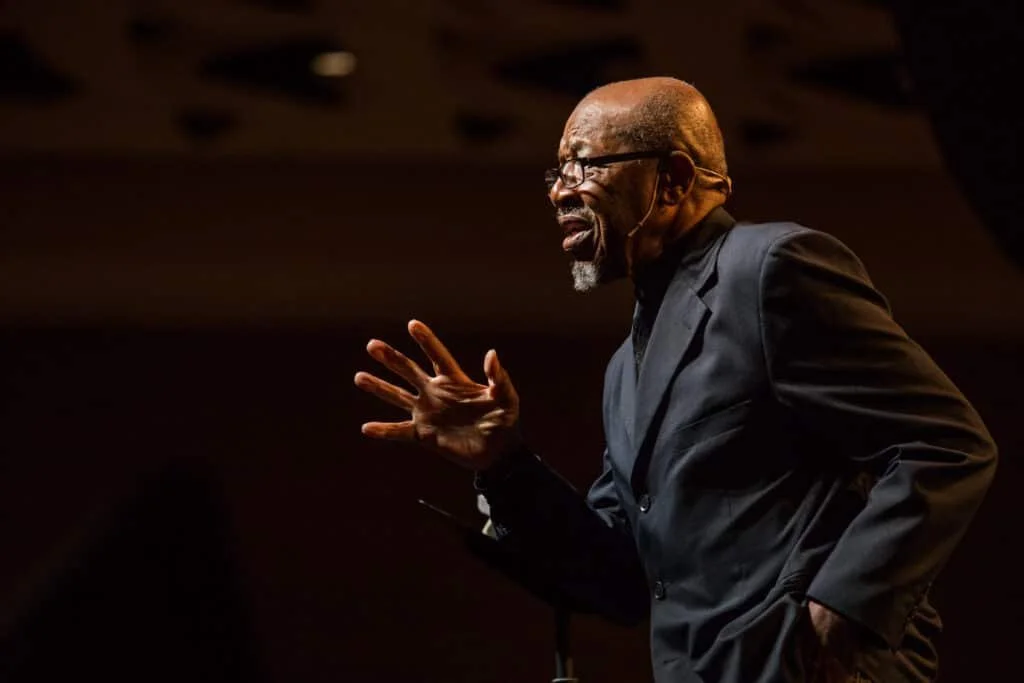
“In the last BLK reflection, Dr. Gould named the communal grief and sense of urgency honoring the many civil rights leaders who have recently passed. And just a day after her newsletter posted, we lost another icon this past Friday in Dr. John Perkins. Dr. Perkins voice and work was formational for me over many years as he was for many.
Before hearing of this latest passing, I attended a “People, Power and Change” meeting with local community leaders to practice sharing our public narrative stories. The stories for why we do what we do, the moments in time that called us into our vocation. The focus was on finding our stories for when situations and life circumstances brought us onto a new path.”
The Taste of Ashes
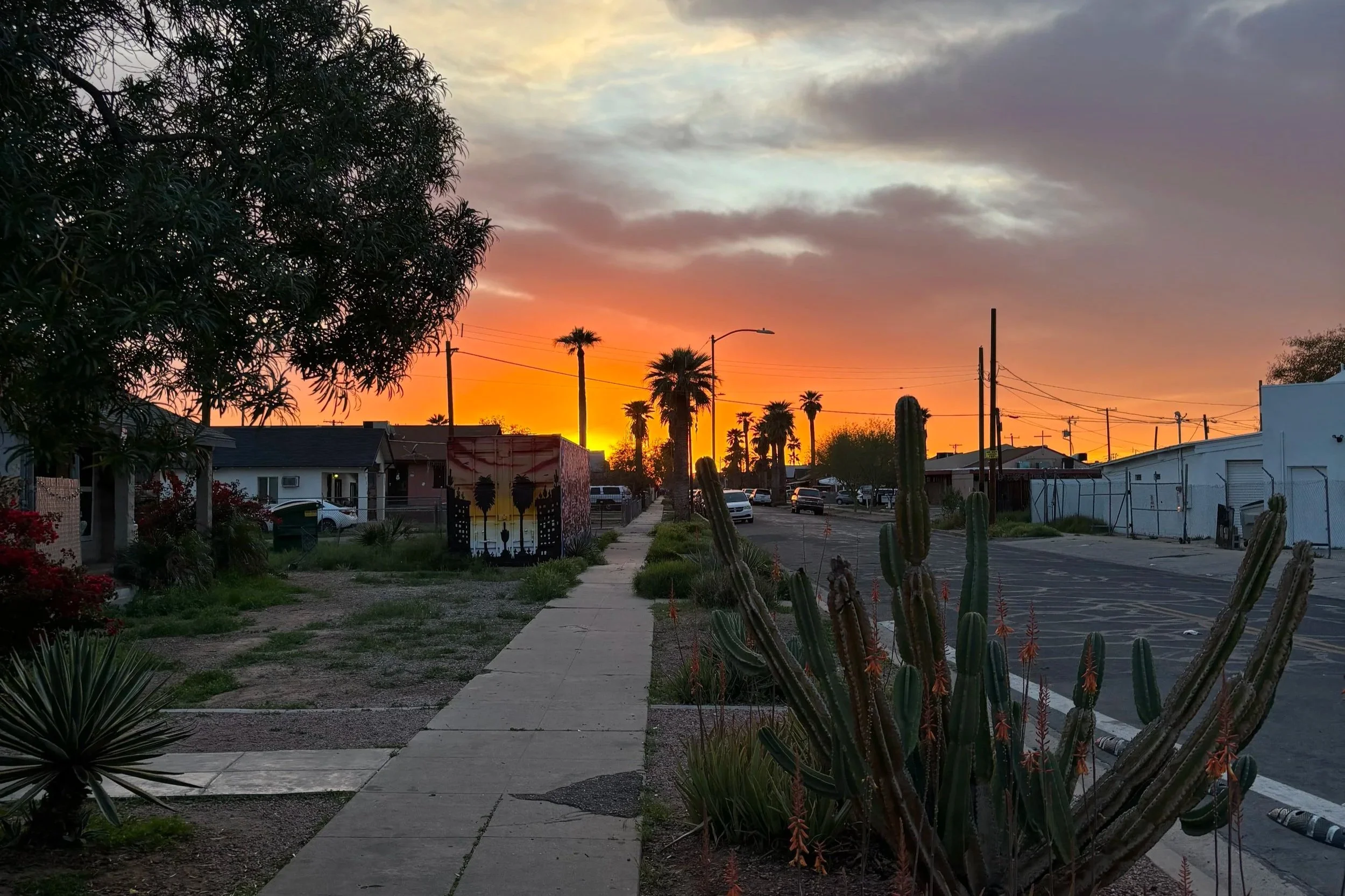
When Ash Wednesday rolled around last week my wife asked if I wanted to go to any of the church services in town. You see, after seventeen years in pastoral ministry I’d been spending the last two learning the trade of earthen building. Separated from the rhythms of traditional church life, and more particularly the life of a pastor, I said I’d like to do laundry instead. But that Wednesday moved fast and it was dark and late by the time we left the adobe house we’re building. We opted for enchiladas and a Modelo and dirty clothes. After finishing our meal we chatted with the restaurant owner as the plaza in our small town was being cordoned off after rumors of an active shooter and bomb threat were being addressed. Snow was falling for what felt like the first time all winter.
The Religion of Jesus and the Politics of Memory
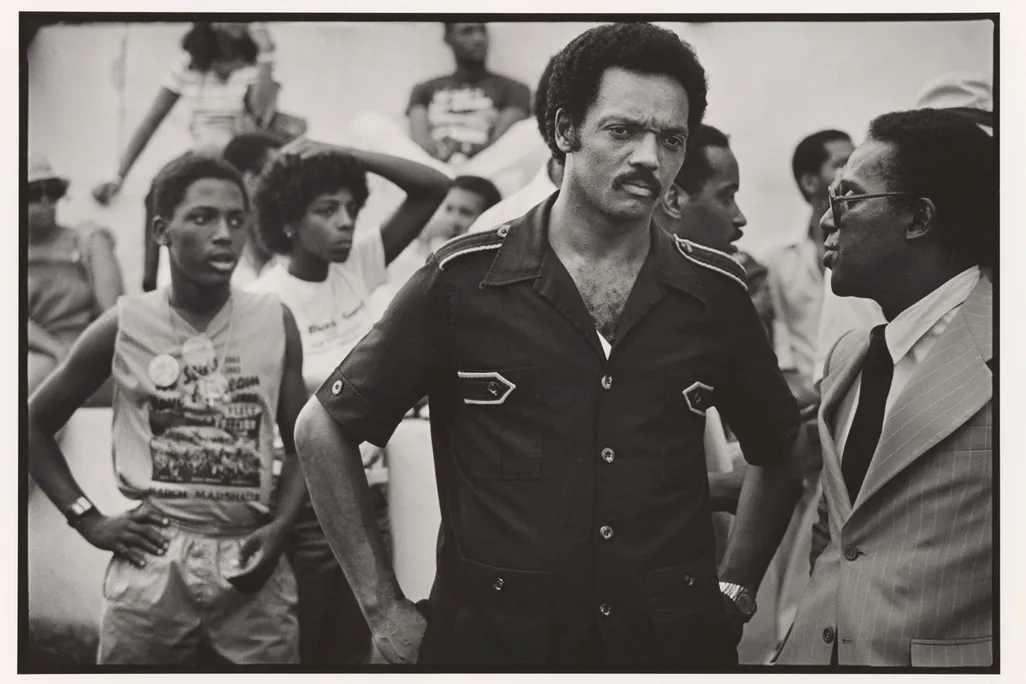
The day after Rev. Jackson’s passing, our class discussion centered around a reading of David Walker’s 1829 Appeal to Color People. Dr. Chavis, when lecturing about the content, named that it is not enough to simply know history but to learn from it. It is a small class of about 15 people, so we always have the opportunity to ask him questions about the subject matter or about his life experience.
Taste and See
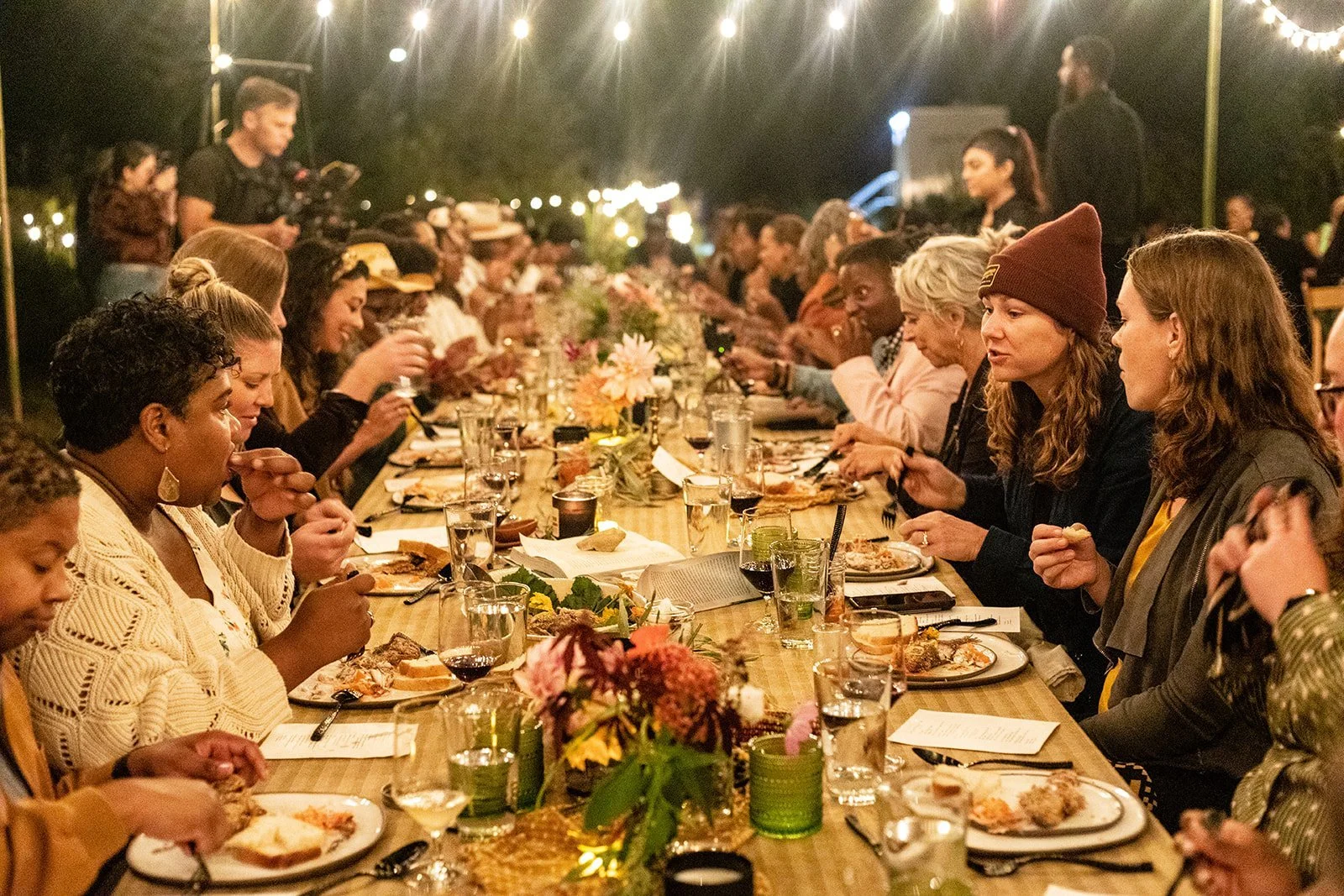
During black history month, the story of soul food is often recounted. Stories of those who used the scraps of food that was given, the throw aways, the discarded, and turned it into delicious dishes that were sustaining. They had to create something new out of what was given, resilience and resistance in action as the scraps were transformed. Cooking and eating became the few spaces where autonomy could exist, grounding oneself in one’s own humanity when every system worked to deny it. The flavors carried memory across generations even when language, land, and family were distant.
The Power of the Olfactory
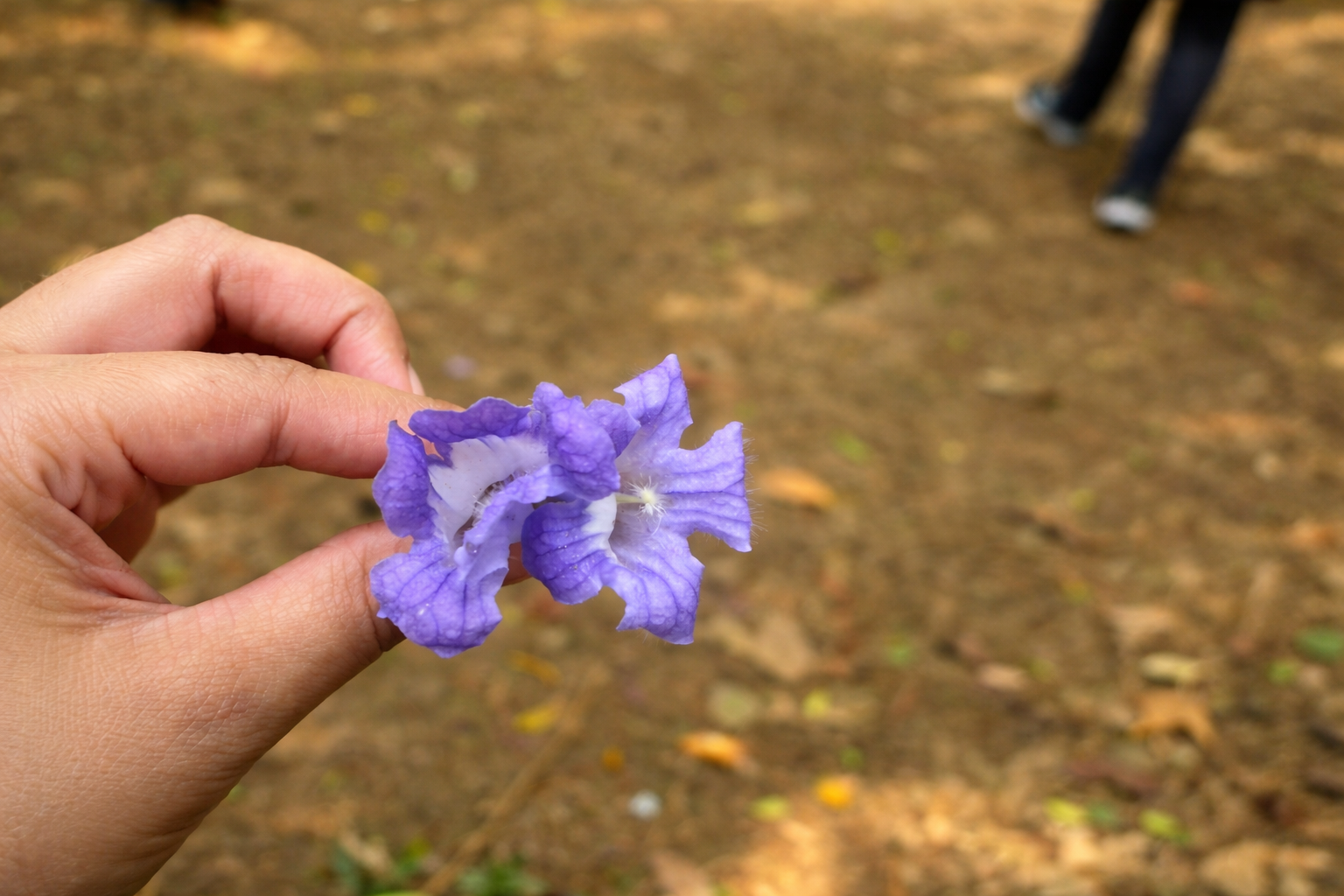
Smell is the quietest sense, yet it speaks the loudest. It enters without asking, slips past logic, and lands directly in memory. Long before we have words, we have scent. Before sight sharpens or language forms, smell is already working—wiring safety, love, fear, and belonging into our bodies.
Scientifically, scent travels straight to the limbic system, the part of the brain that holds emotion and memory. That’s why one breath can take you back decades. A kitchen you haven’t stood in since childhood. A person who no longer walks this earth. A version of yourself you forgot you were.
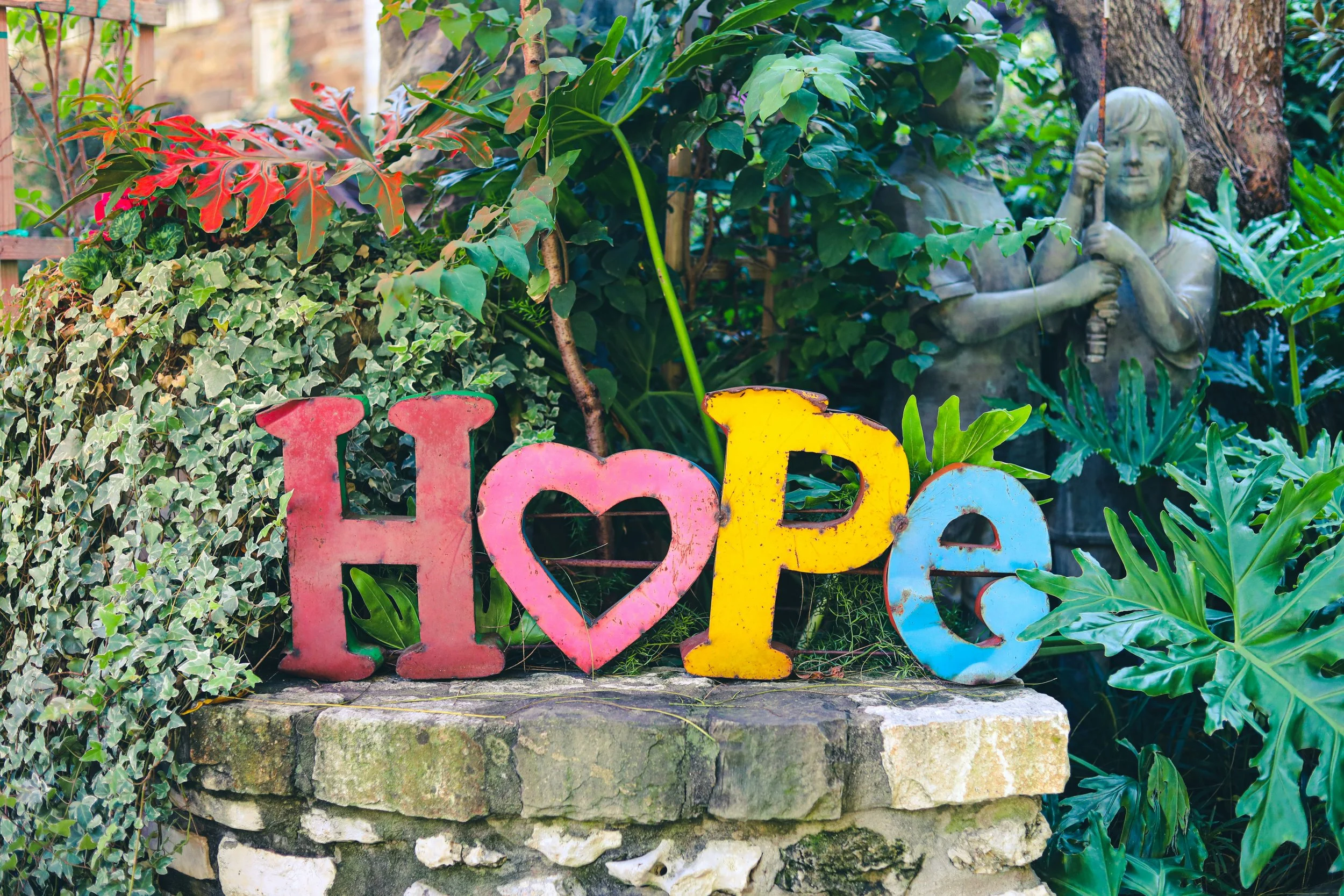
It Smells Like Hope
As the world around me is constantly changing and traveling up my nose and nervous system, I am triggered with something I was told quite a bit as a young girl, but am “today years old” in understanding more.
Growing up, the church would sing it was “...built on nothing less..than Jesus’ blood and righteousness.”
In 2006, India.Arie went on to sing about its presence.

Smells Like... Chocolate Chip Cookies?
Can soul work smell and taste like chocolate chip cookies? I think those 6 weeks in some ways did. Soul work was a beautiful and communal experience. Connecting with those who were looking for community and the opportunity to talk about their faith. I remember my first meeting with these folks and sharing fresh baked cookies with them. The smell and kind gesture lingers with me as I reflect on our time together. Each week was a different batch of chocolate chip cookies.
Smells Like Decolonial Thinking
Decolonial thinking, praxis, and theologies encourage us to expand and recover other ways of knowing and learning. Art and nature are two important examples of this. Check out this song, poem, painting series, and these facts about the mycelium network, and notice what stirs in you.
It Smells Like Something I’ve Seen Before
“There’s something about smell that gets there first—before language, before logic, before we even know what we’re feeling. Smell slips past the guards. It fills the nostrils, settles on the tongue, and suddenly the body remembers something the mind hadn’t named yet. Smell teaches us how to recognize patterns.”
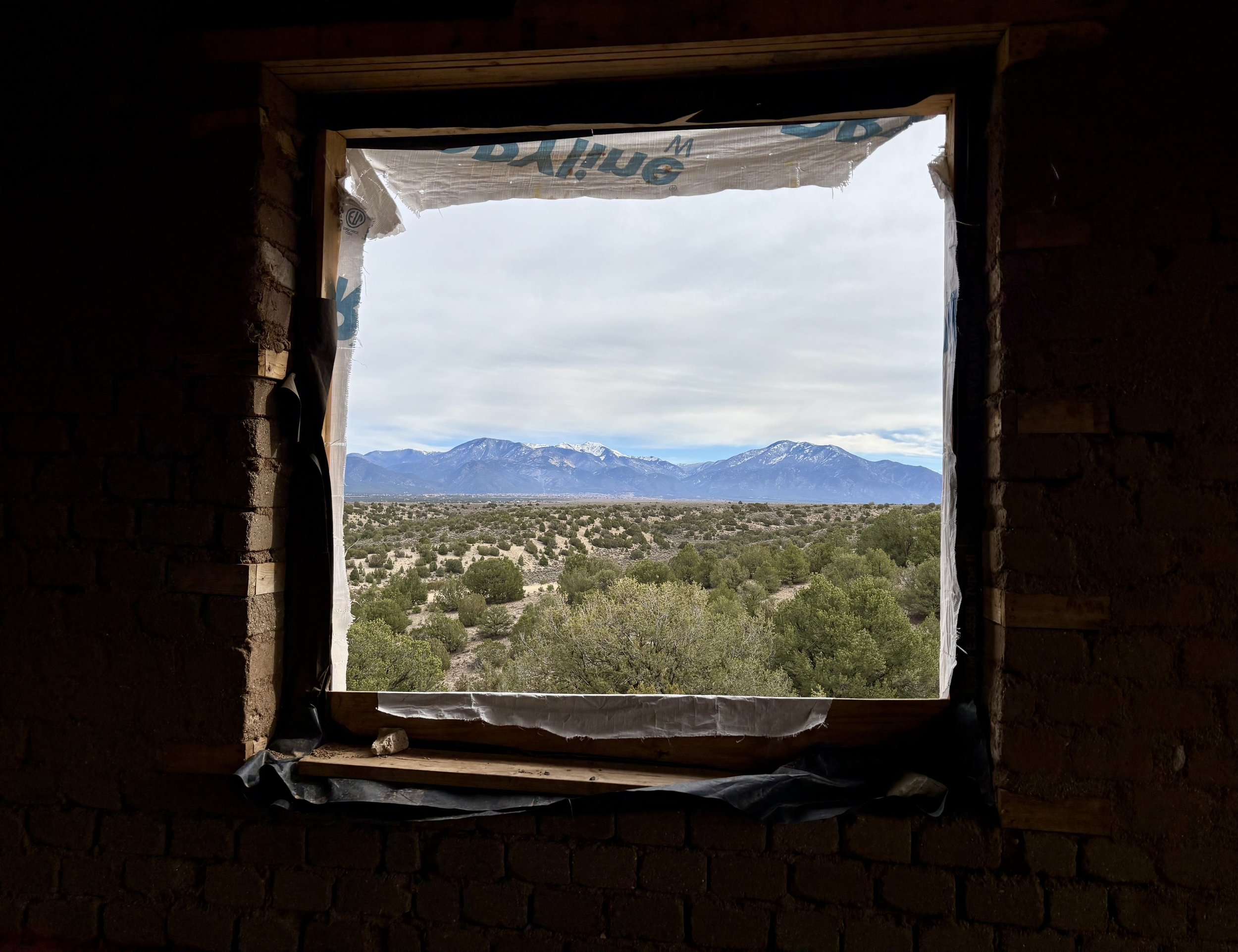
A Working Theology of Squinting
“While reviewing my recent writing I noticed a theme I didn’t expect to find. And I didn’t need to squint to see it. One search for the word “squint” in my Google Drive and the list populated down the page. Perhaps I’d overdone and overused the metaphor or maybe I haven’t squeezed tight enough. The shape of my heart has been a squint for the last year or so and that’s the source of the writing.”
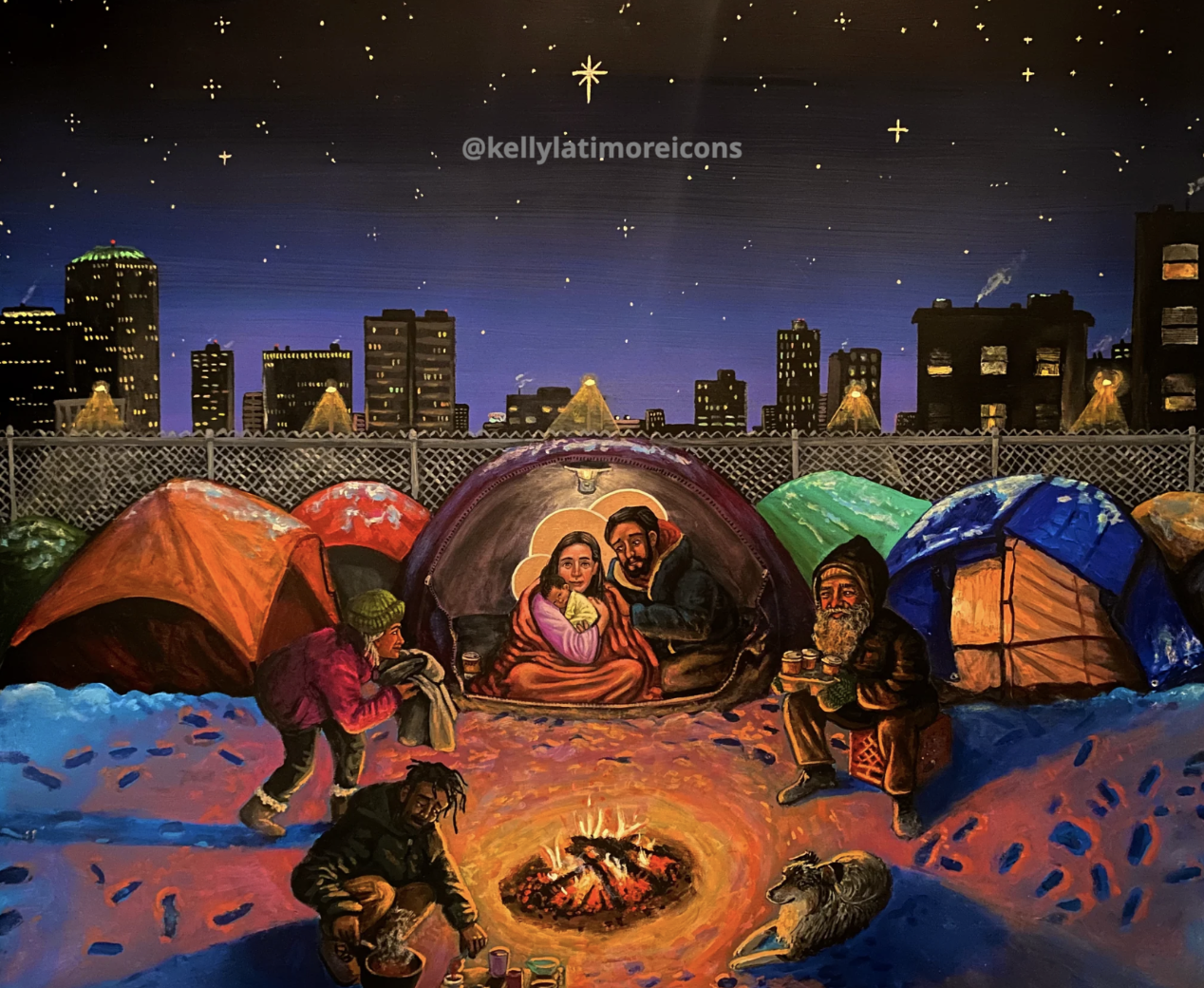
A Christmas Question for a People in Search of a Sign
“Christmas has trained us to romanticize this scene, but Black biblical interpretation refuses that move. We know too much, let me use my I voice. As one who was a teenage mother, I know too much about what it means for a young woman’s pregnancy to become public spectacle, social liability, fodder for an often erroneous projection of statistics and moral judgment all at once. We collectively know what it means for bodies, especially poor bodies, Black bodies, queer bodies, differently abled bodies, non white bodies, to be read as problems rather than promises.”

Turn and Face the Sun
“The prairie dogs facing the sun is an image that returns to me from time to time, a reminder to turn towards the sun literally and metaphorically, to look out for “sun” in my day to day living. To look and see that which brings life.
In the midst of the hustle that is this season, I am reminded to see and not simply look. Or perhaps to look again. To slow down to take in the mystery of each day, to be in awe of my own humanity and that of others. To face the sun as the prairie dogs and pause to take in beauty and delight. As spoken in certain places, we often need fresh eyes to see the ordinary in such a way that the ordinary becomes extraordinary.”

Learning to Know Again
“Our ways of knowing often leave out the voices of those marginalized while retaining the perspectives of those who held power. Realities and stories from the marginalized are often ignored or forgotten. Perhaps one of the biggest threats to America is the immigrant and the foreigner in that they may offer us another way of knowing. This may be true from a scarcity mindset, but from one of abundance, it can be seen as the biggest opportunity. Learning and the sources from where we attain our knowledge is a lifelong journey, with periods of unlearning, relearning, discovering new ways of knowing, and rejecting past ones that no longer serve us or our community.”
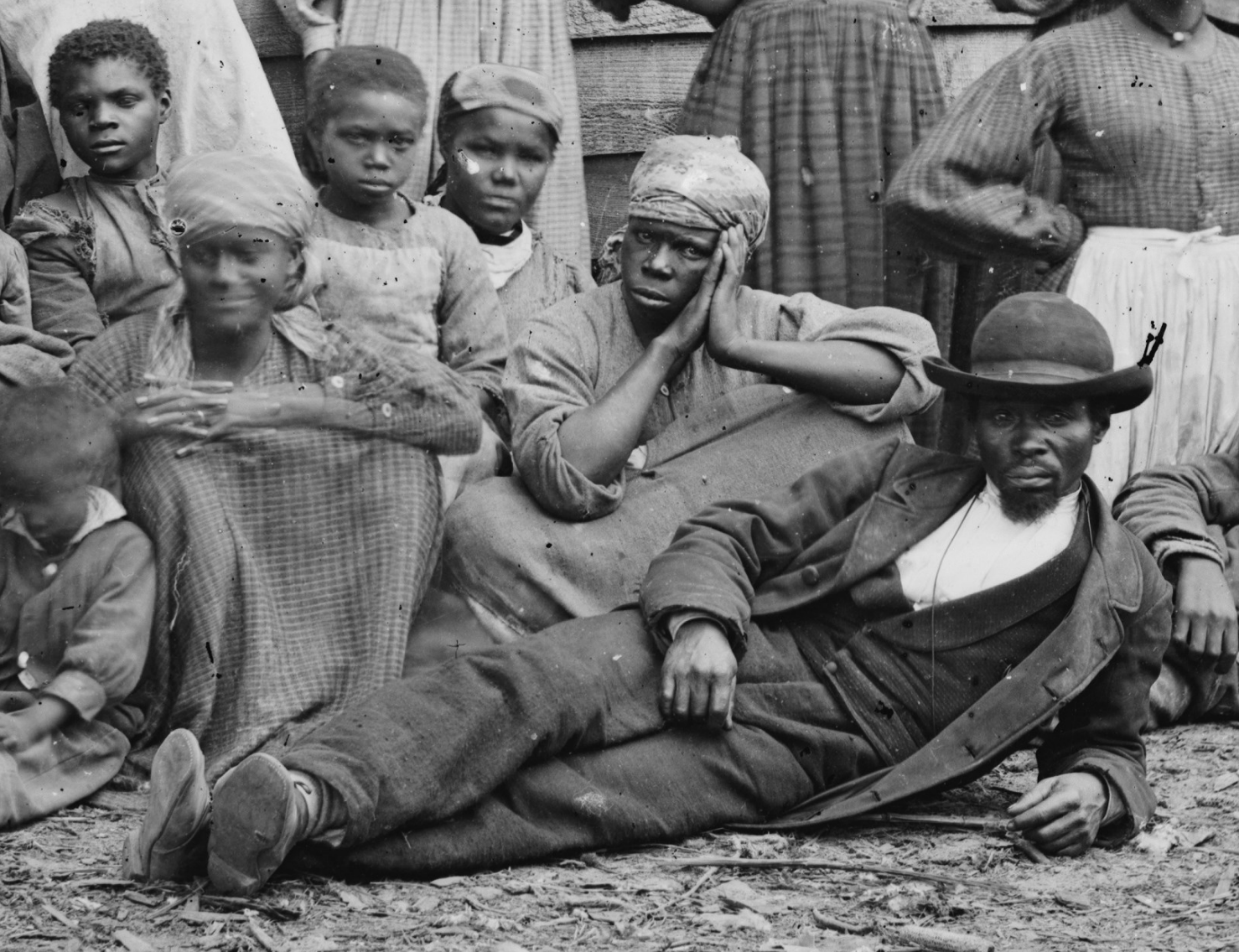
Free Yourself: Hearing Wealth Differently
“Lately I’ve been listening more closely—not just to the world around me, but to the echoes within me. What do you hear when you sit with the truth of your own formation? What do you hear when you listen for what your faith, your church, your practices are shaping you to become? As a descendant of enslaved people—specifically a Black woman whose foremothers were bred like cattle to create this nation’s wealth—I find myself asking what it means to now use my voice to ask for that wealth back, to reclaim what was extracted from our bodies and redirect it toward the flourishing of Black people.”
When Seeing is Too Much: What Do You Hear?
“Maybe that is the invitation of this moment: to choose hearing when the seeing is too much. To let our ears become instruments of discernment when our eyes are overwhelmed by the spectacle of power and the theater of intimidation. Could it be that in a time of trouble and chaos we need to hear at all costs? Hear from the Spirit, and hear from those who walked before us through storms that should have crushed them!”

I Heard Mother Groaning
“The other morning, on the acreage of my northern New Mexico home, I pressed my ear into the dirt and heard Mother groaning. The same groan I once heard in the city—the helicopters, the warnings, the fear—was humming here beneath piñons and quiet skies. With my face to the earth, I realized the land has been mourning all along. And somewhere in that hum, I could hear Jesus drawing in the dirt again, inviting us to lay down our stones so those who have been targeted and exhausted might finally be free.”