The Power of the Olfactory

Brandi Rahim, LPCC-S (she/her), is a licensed professional clinical counselor and holistic wellness practitioner originally based in Durham, NC. She is the founder of Heal You Whole You, a therapeutic practice rooted in the belief that healing honors the whole self—mind, body, and spirit. Brandi’s work is trauma-informed and centers identity, emotional wellness, and lived experience, with particular care for Black women and those navigating seasons of transition. She also participated in BLK South’s Durham-based Soulwork cohort, a community-led space grounded in spiritual practice, deep listening, and collective wisdom shaped by Black theological voices. Learn More
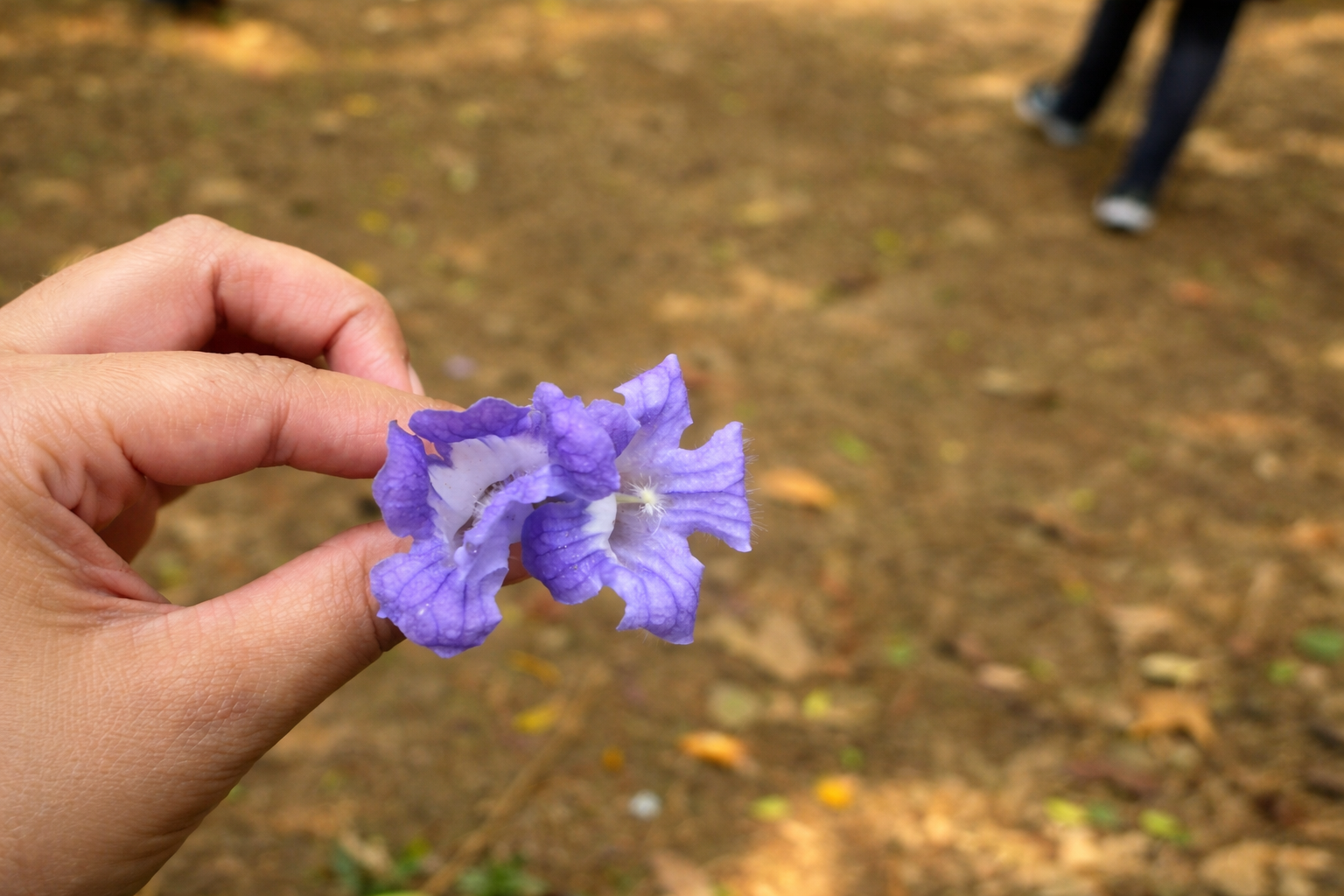
Smell is the quietest sense, yet it speaks the loudest.
It enters without asking, slips past logic, and lands directly in memory. Long before we have words, we have scent. Before sight sharpens or language forms, smell is already working—wiring safety, love, fear, and belonging into our bodies.
Scientifically, scent travels straight to the limbic system, the part of the brain that holds emotion and memory. That’s why one breath can take you back decades. A kitchen you haven’t stood in since childhood. A person who no longer walks this earth. A version of yourself you forgot you were.
Smell lingers longer than we expect. A single molecule can hang in the air for hours, but its imprint can last a lifetime. The scent of apple pie—warm, sweet, spiced just right—feels like home to me. It carries comfort, care, and being tended to. It tastes the way love feels. And that makes sense, because smell and taste are siblings. You can’t fully experience one without the other. Flavor begins in the nose. Nourishment begins before the first bite.
But scent also holds shadow.
The smell of smoke tightens my chest. It doesn’t just signal danger—it awakens it. For many of us, especially in the Black community, certain smells carry ancestral memory: fire, sweat, mildew, chemicals, blood, fear. Some scents don’t just remind us—they activate us. Trauma lives in the body, and smell knows exactly where to find it.
Still, there is goodness here. Smell grounds us. It connects us to ritual—burning sage, incense, oils, food simmering low on the stove. It reminds us we are alive, embodied, sensing beings in a world that often asks us to disconnect. To breathe something in deeply is an act of presence. To choose what surrounds your body is an act of care.
Smell teaches us this truth: healing and hurt often share the same doorway. And sometimes, all it takes is one breath to remember who you’ve been—and who you’re becoming.
Reflection Questions:
What scents carry you home—or pull you back—without warning, and what do they reveal about the places, people, or versions of yourself that shaped you?
Are there smells that ground you in safety or presence today, and how might you intentionally make space for those as acts of care and healing?
R E C O M M E N D E D R E A D I N G