
Blog
A collection of weekly reflections written by BLK South community and board members.
Subscribe here to get them emailed to you.

How a Neighborhood Conversation Led to the New York Times
What began as a conversation after a neighborhood meeting became an unexpected partnership between the Grant Street Community and Duke University's Edible Atlas Lab—and just four months later, that collaboration was featured in The New York Times. This is the story behind the headlines, and why our neighbors' decades-long vision for a grocery store in the historic Hayti District remains at the center of it all.
National attention was never the goal. Our hope is that this moment helps amplify what residents have been advocating for all along: healthy food access, equitable investment, and a future shaped by the people who have faithfully called Hayti home for generations.
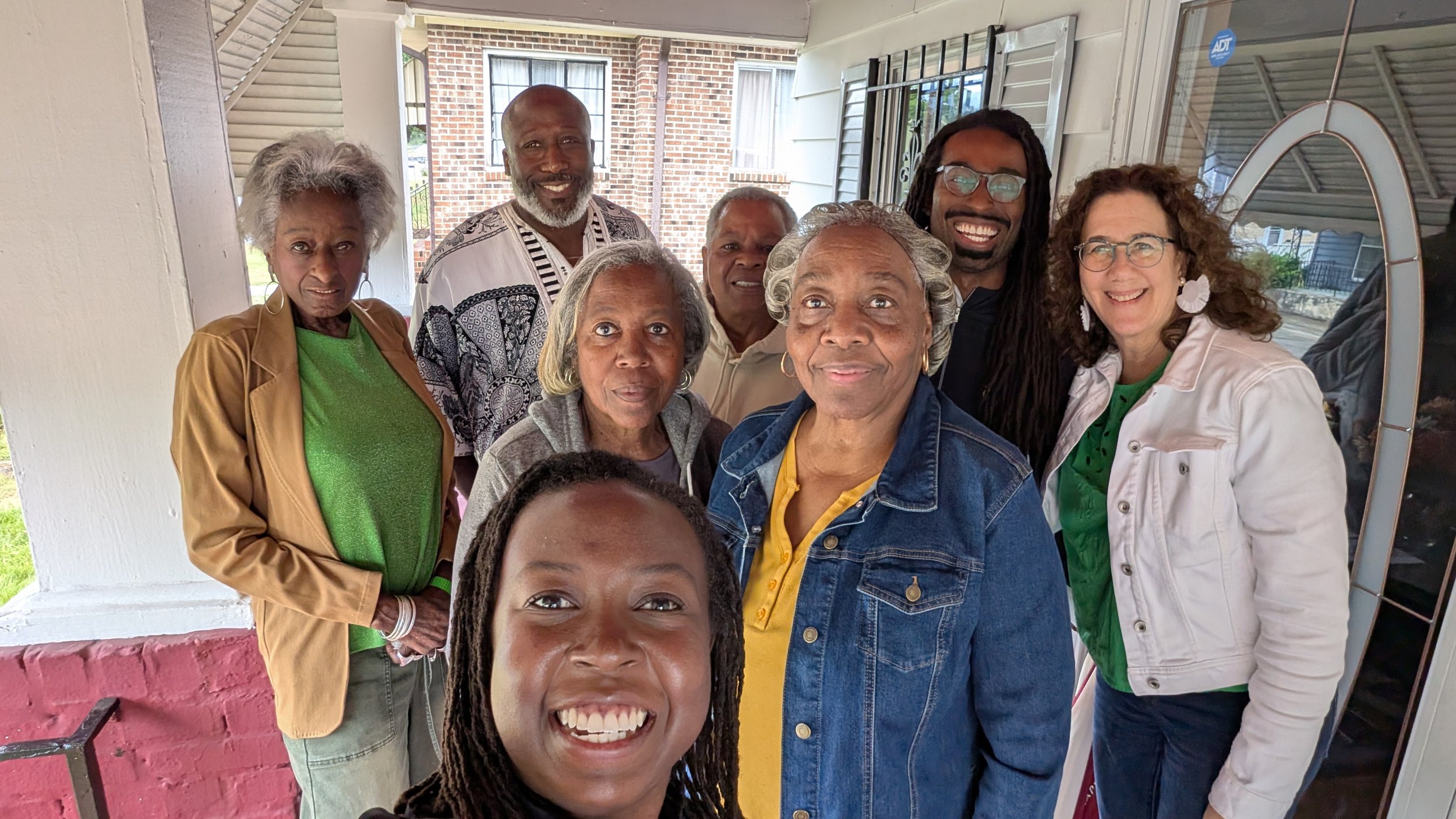
How the Grant Street Ladies, Monument of Faith Church, and BLK South Found One Another
Some stories take generations to come together. This is the story of how Kendall and Erin Dooley's journey of tracing their family's Great Migration history led them to Durham's historic Hayti District, where they met the Grant Street Ladies and Monument of Faith Church—neighbors whose stories, commitment, and love for place have shaped a shared vision for the future.
The Taste of Ashes
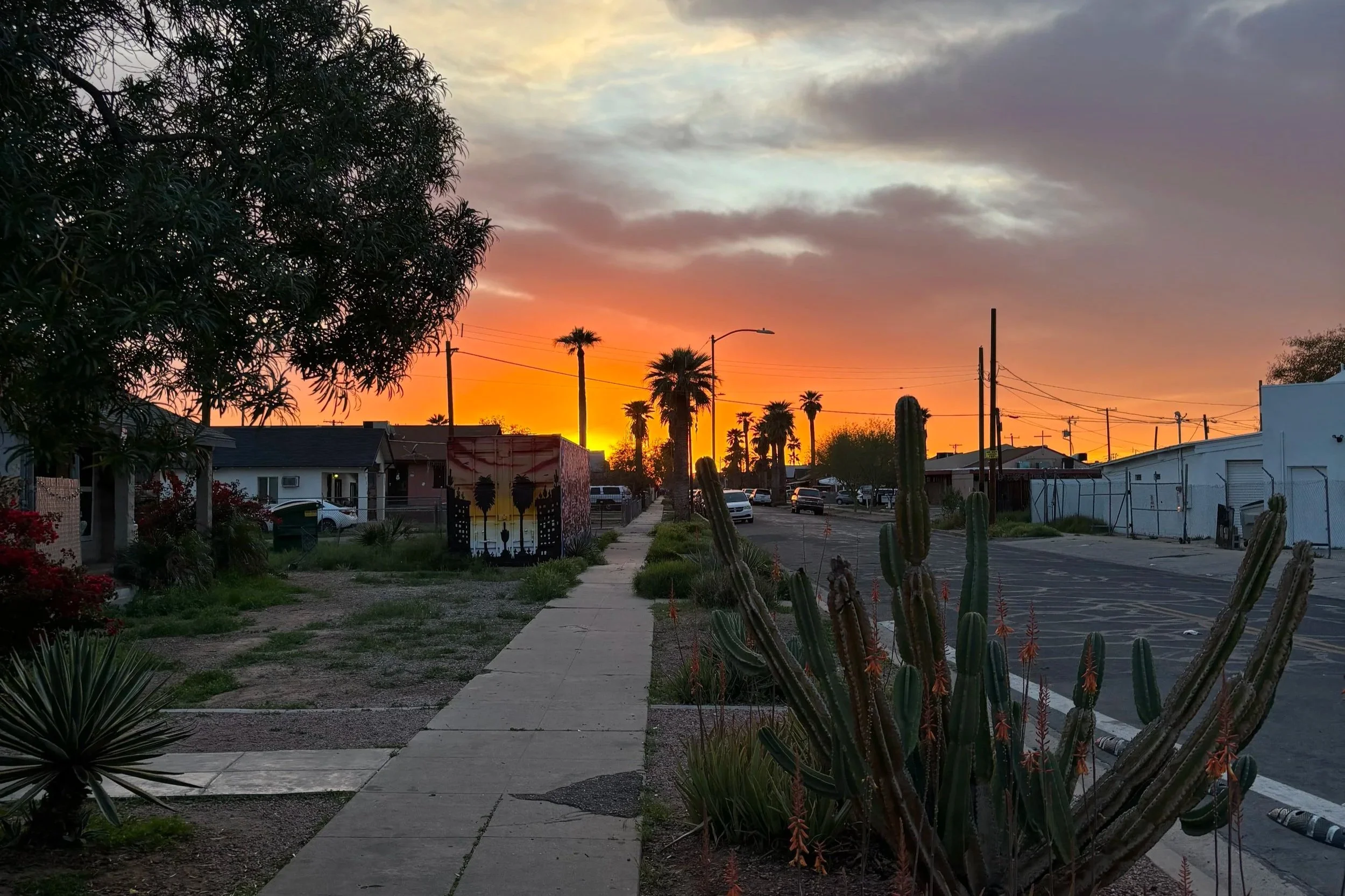
When Ash Wednesday rolled around last week my wife asked if I wanted to go to any of the church services in town. You see, after seventeen years in pastoral ministry I’d been spending the last two learning the trade of earthen building. Separated from the rhythms of traditional church life, and more particularly the life of a pastor, I said I’d like to do laundry instead. But that Wednesday moved fast and it was dark and late by the time we left the adobe house we’re building. We opted for enchiladas and a Modelo and dirty clothes. After finishing our meal we chatted with the restaurant owner as the plaza in our small town was being cordoned off after rumors of an active shooter and bomb threat were being addressed. Snow was falling for what felt like the first time all winter.
The Religion of Jesus and the Politics of Memory
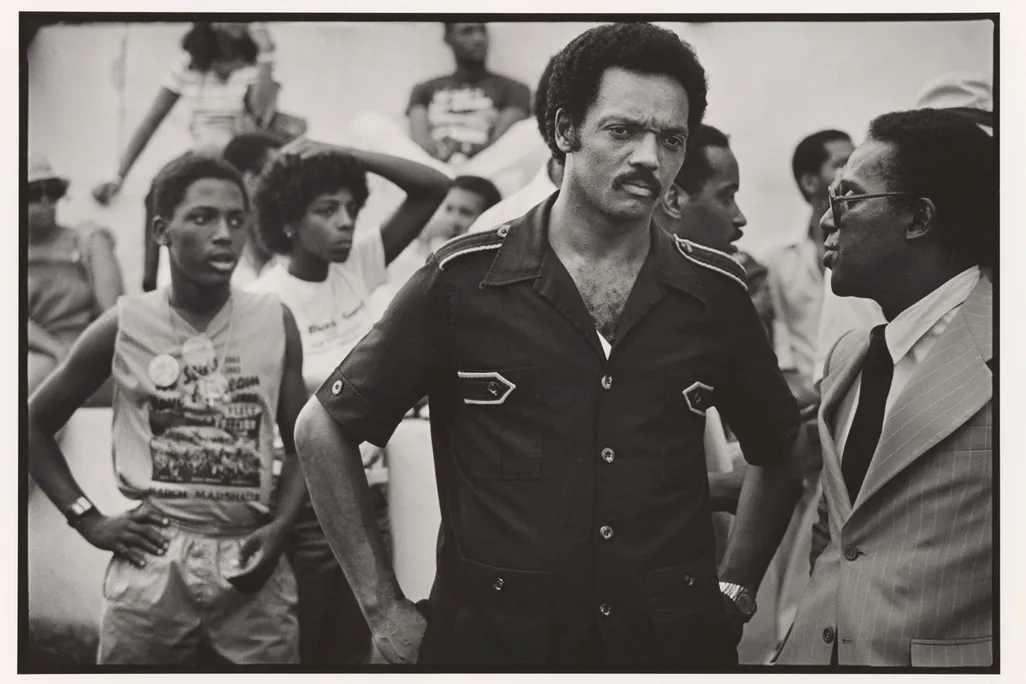
The day after Rev. Jackson’s passing, our class discussion centered around a reading of David Walker’s 1829 Appeal to Color People. Dr. Chavis, when lecturing about the content, named that it is not enough to simply know history but to learn from it. It is a small class of about 15 people, so we always have the opportunity to ask him questions about the subject matter or about his life experience.
Taste and See
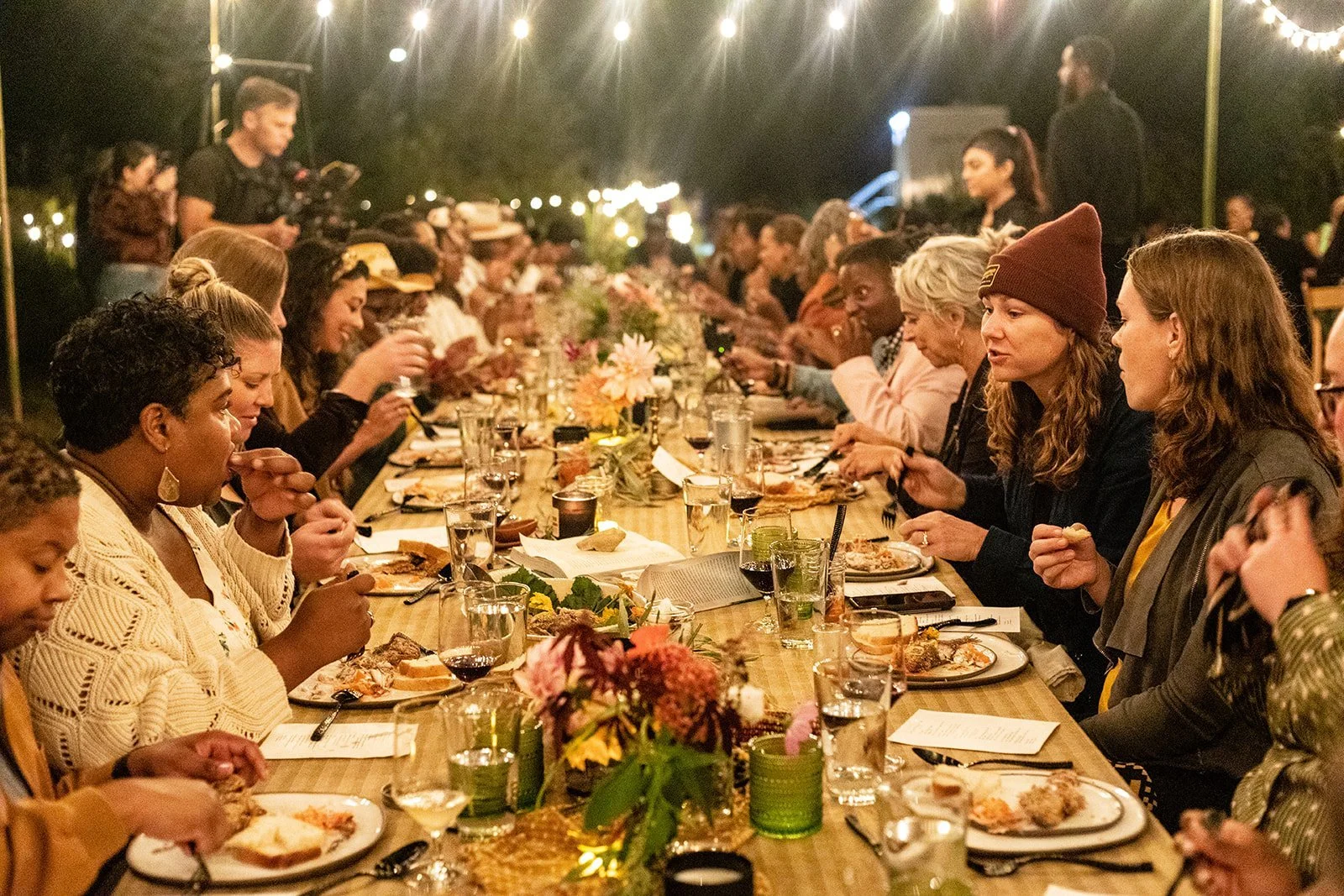
During black history month, the story of soul food is often recounted. Stories of those who used the scraps of food that was given, the throw aways, the discarded, and turned it into delicious dishes that were sustaining. They had to create something new out of what was given, resilience and resistance in action as the scraps were transformed. Cooking and eating became the few spaces where autonomy could exist, grounding oneself in one’s own humanity when every system worked to deny it. The flavors carried memory across generations even when language, land, and family were distant.
The Power of the Olfactory
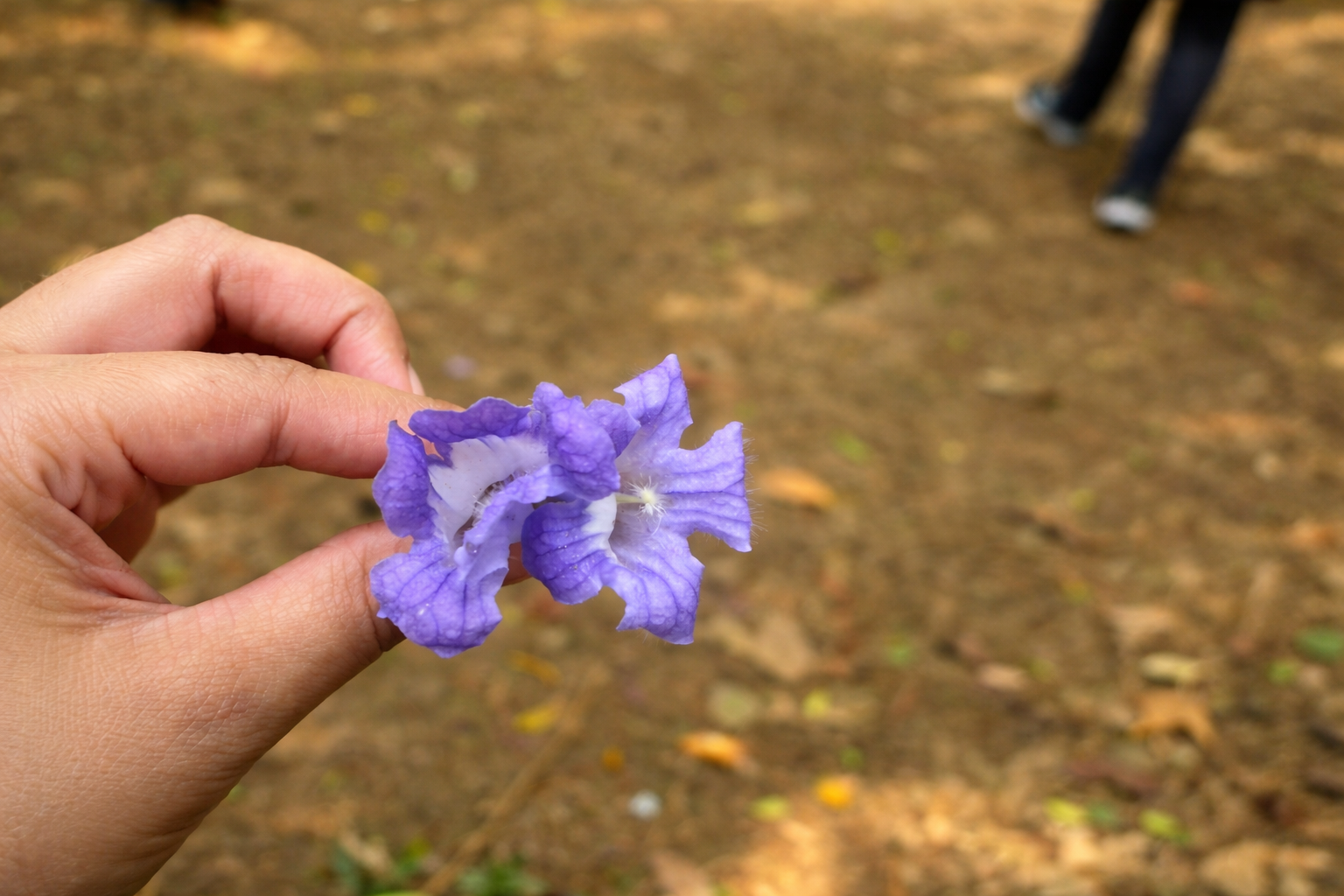
Smell is the quietest sense, yet it speaks the loudest. It enters without asking, slips past logic, and lands directly in memory. Long before we have words, we have scent. Before sight sharpens or language forms, smell is already working—wiring safety, love, fear, and belonging into our bodies.
Scientifically, scent travels straight to the limbic system, the part of the brain that holds emotion and memory. That’s why one breath can take you back decades. A kitchen you haven’t stood in since childhood. A person who no longer walks this earth. A version of yourself you forgot you were.
It Smells Like Hope
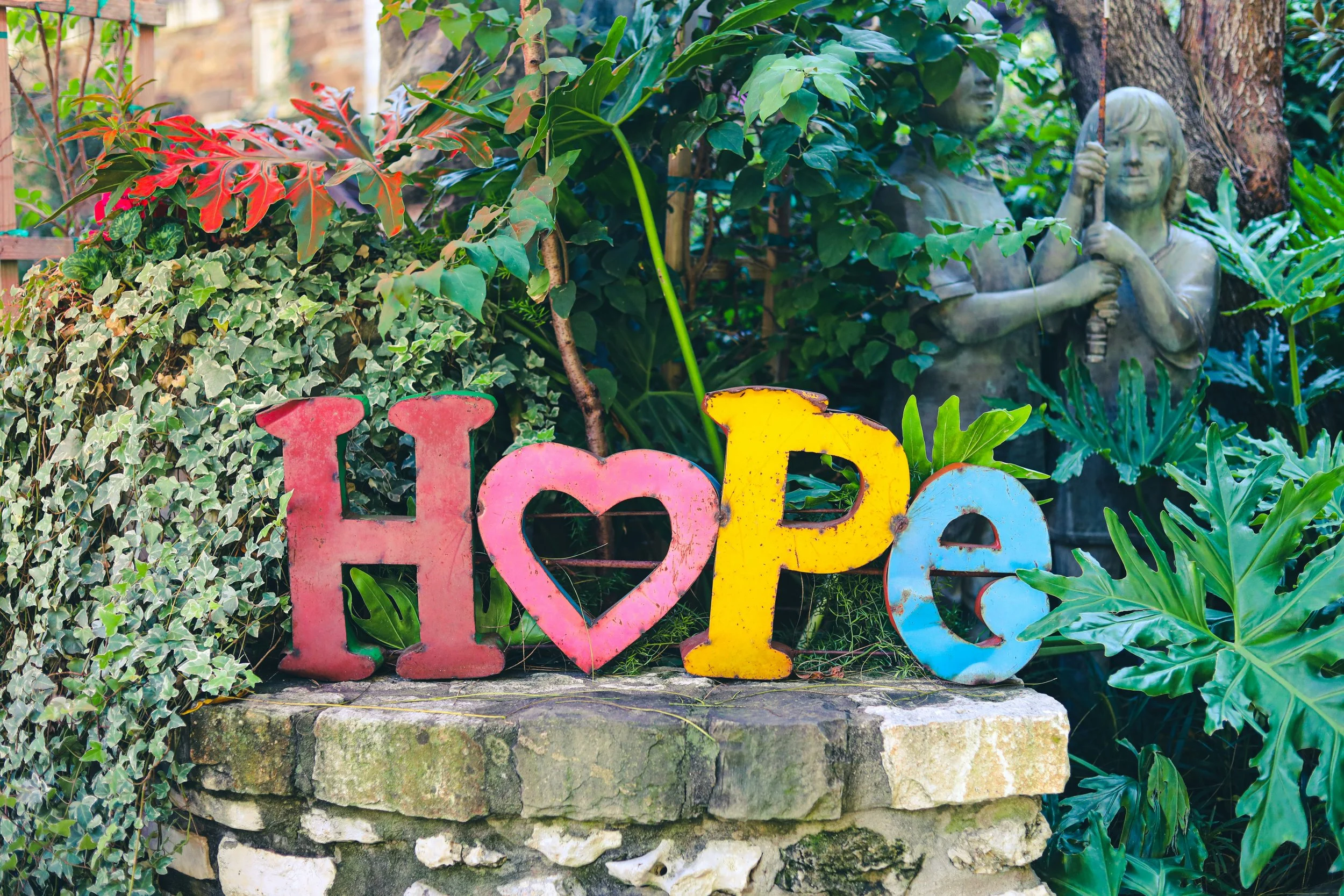
As the world around me is constantly changing and traveling up my nose and nervous system, I am triggered with something I was told quite a bit as a young girl, but am “today years old” in understanding more.
Growing up, the church would sing it was “...built on nothing less..than Jesus’ blood and righteousness.”
In 2006, India.Arie went on to sing about its presence.
2025 Annual Report
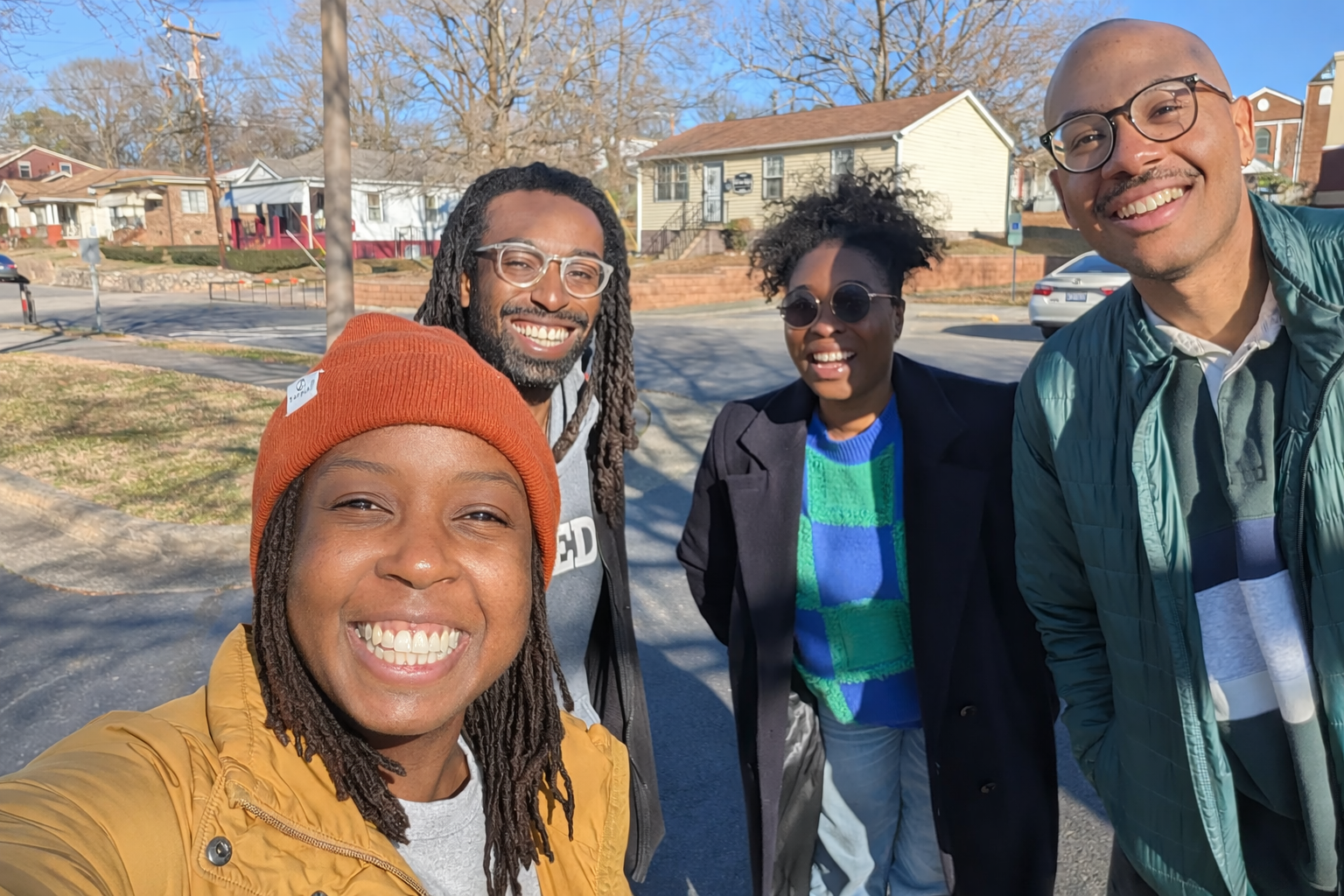
BLK South’s 2025 Annual Report reflects a year of transition, learning, and deeper rootedness. As we relocated to Durham and continued our work in the Historic Hayti District, this report offers an honest snapshot of what it looked like to practice place-based community development through presence, partnership, and patience. Inside, we share highlights from our neighborhood work, formation spaces, public engagement, and the relationships that continue to shape our long-term vision for the South.
Smells Like... Chocolate Chip Cookies?
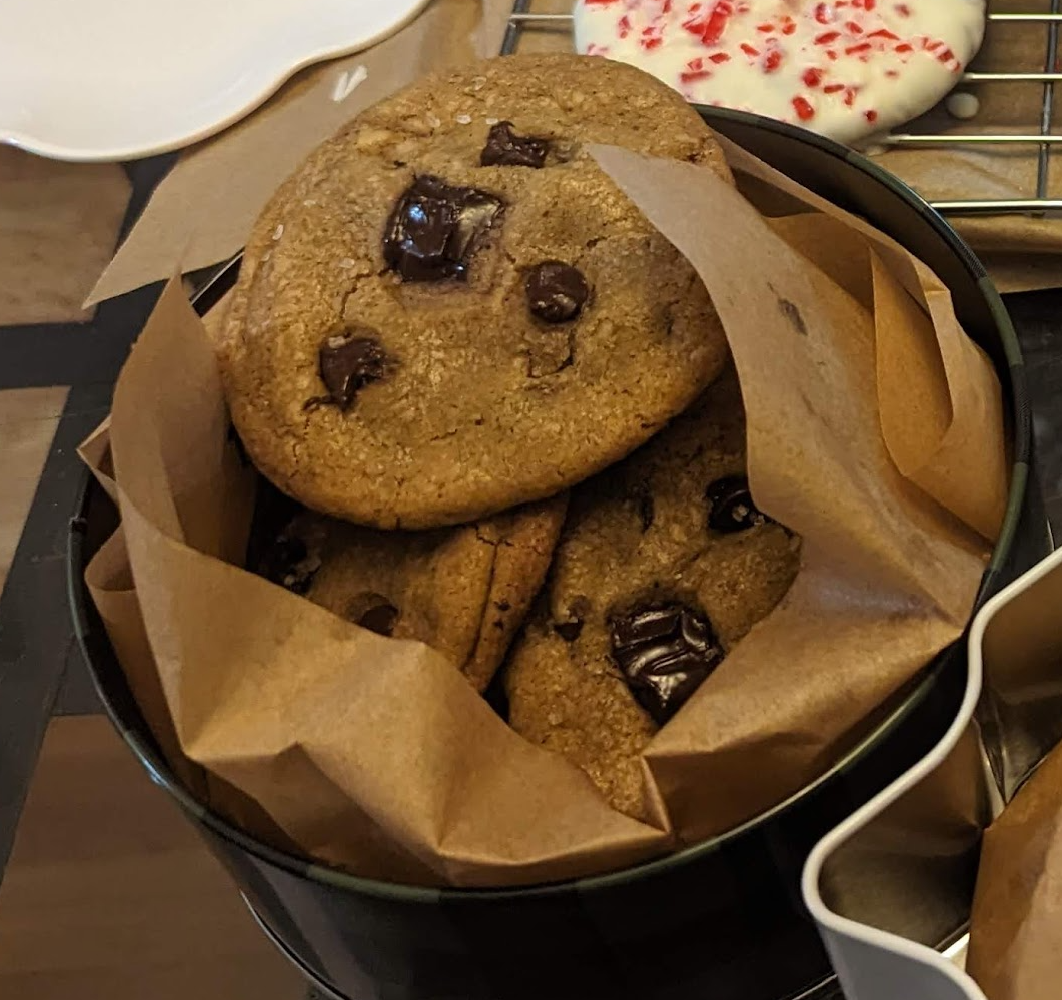
Can soul work smell and taste like chocolate chip cookies? I think those 6 weeks in some ways did. Soul work was a beautiful and communal experience. Connecting with those who were looking for community and the opportunity to talk about their faith. I remember my first meeting with these folks and sharing fresh baked cookies with them. The smell and kind gesture lingers with me as I reflect on our time together. Each week was a different batch of chocolate chip cookies.

How Dr. Imani Perry's “Black in Blues” Inspires a New Understanding of Identity
“Dr. Perry’s book caused me to reflect in the reverse: What does it mean to be Black? Many say every Black American has to think about this question, but I hadn’t examined it critically enough—at least not in the ways that Dr. Perry presented it to me through her book. Her work is scattered with American and international stories, some of which offer powerful reflections on how a color became a culture and what being that color has meant to us historically and today. Dr. Perry presents these ideas in a poetic way, as is her style. She entrances you with her words, leading you to curiosity and pondering their meaning. She does this in the most creative and imaginative way by telling the story of being Black through the color blue. The book allows you to see how blue is entangled with the history of being Black, from the indigo plantations to artistic choices. While reading, I couldn’t help but think about how much my wife loves the color blue and how she had us paint our living room walls a dark ocean blue. The interior of her parents’ house is the same blue.”

The Mentor in the Mirror
Mentorship is often thought of as a formal relationship, but what if it’s already happening all around us, shaping us in ways we don’t realize? Reflecting on my journey as a camp counselor, a mentee, and a leader in ministry, I discovered that mentorship is deeply tied to imitation—a concept explored both in first-century discipleship and René Girard’s mimetic theory. Through the lens of my own African American faith experience, I came to see how culture, values, and traditions mentor us in profound ways. This article invites you to reflect on your own desires and ask: Who or what are you imitating, and how does that shape the person you’re becoming?

Repairing the Wounds of Mission
“I believed that what I had to offer the youth would greatly benefit their lives and our community. While I thought I was being humble, there was a part of me that felt my ideas were what they should follow. This mindset is one we all struggle with, especially during election years, when judging and shaming others becomes second nature. Many of us are held captive by our own way of seeing, doing, and being in the world that causes us to dismiss others. True discipleship, as Archbishop Oscar Romero described, requires a deeper 'second conversion'—a reorientation toward community, solidarity, and social change. May our votes, voices, and actions embody this mission."