The Religion of Jesus and the Politics of Memory
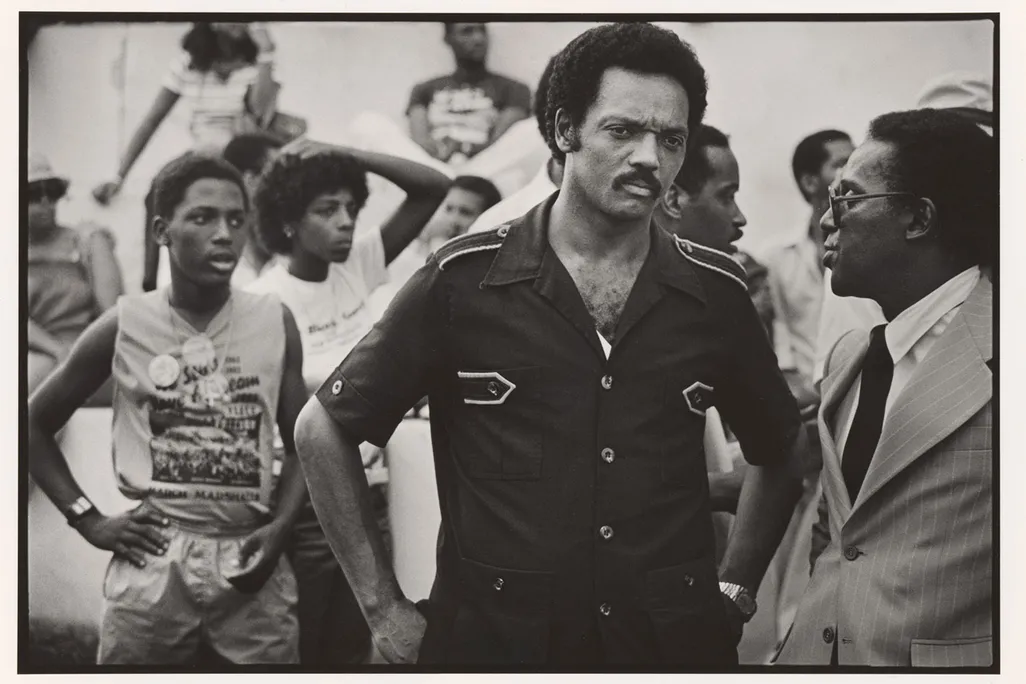
The Reverend Jesse Jackson attends an event commemorating the 20th anniversary of the March on Washington. Collection of the Smithsonian National Museum of African American History and Culture / Gift of Brigitte Freed in memory of Leonard Freed

Kendall Dooley is a community development practitioner, scholar, and co-founder of BLK South, a nonprofit organization dedicated to reclaiming and revitalizing historic Black neighborhoods in the South. With a background in Criminal Justice and Missional Theology, Kendall brings a deep commitment to improving the quality of life in under-resourced communities through holistic development, cultural preservation, and creative place-making. His work is shaped by his passion for justice, Black history, and fostering spaces where communities can flourish on their own terms. Learn More
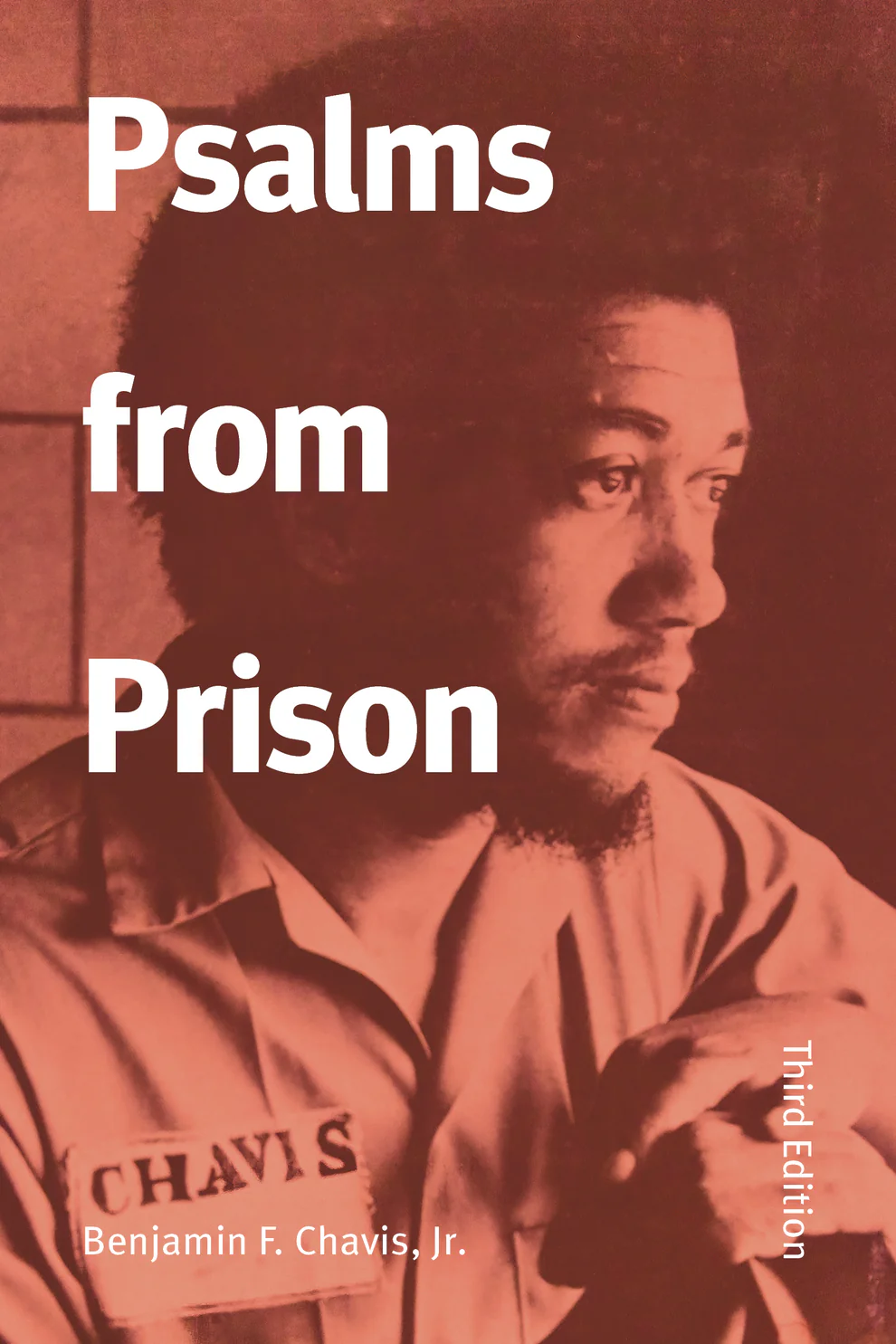
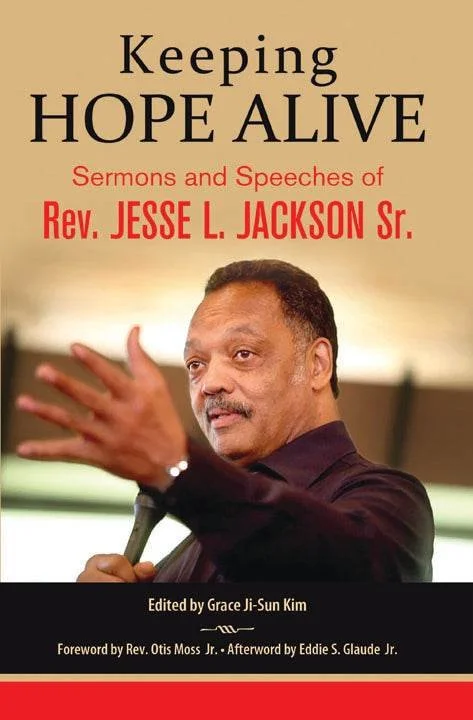
One of the courses I am taking at Duke is Religion, Race and Politics in American Life. It is an interesting time to be taking this class as it relates to the state of our country. It is even more interesting after the passing of Rev. Jesse Jackson because of the relationship my professor had with him. The professor of my course is Dr. Benjamin Chavis Jr. He is one of the few people still living who worked alongside Dr. King in the Southern Christian Leadership Conference (SCLC). At the age of 14, he was the North Carolina Statewide Youth Coordinator. He recalls Jesse Jackson as a mentor he admired. He also assisted Rev. Jackson in his campaign when he ran for president in 1984 and 1988.
The day after Rev. Jackson’s passing, our class discussion centered around a reading of David Walker’s 1829 Appeal to Color People. Dr. Chavis, when lecturing about the content, named that it is not enough to simply know history but to learn from it. It is a small class of about 15 people, so we always have the opportunity to ask him questions about the subject matter or about his life experience.
I asked him what he believes Rev. Jackson has to teach us. After thinking of his response, Dr. Chavis named his multiple contributions to society, such as his work in Chicago through Operation PUSH and the Rainbow Coalition (of which Erin’s Auntie Betty-Ann was heavily involved). However, he made a point to name that Rev. Jackson aided in integrating politics at a time it was elitist and spoke up for those who were uneducated but were passionate about justice and change.
I am reminded of the uneducated followers of Jesus who went on to help pass on the Christian faith and birth the church. Although they were unlearned men, the Sanhedrin council was amazed by them and noted that they had been with Jesus Christ. It was their relationship and being with Jesus that caused them to amaze the crowds. In this case, too, it is simply not enough to know about Jesus but to learn from him and be with him.
Howard Thurman notes this as well, as he calls us to pay attention to the Religion of Jesus contrary to the Religion about Jesus. May we not simply know about the faith, our place, our heritage, and historic figures such as Rev. Jesse Jackson, but may we learn from them as well, because the best way to memorialize a place or person is not a gravesite but living and continuing their teaching.
Read here to see more of Dr. Chavis’ reflection on Rev. Jesse Jackson’s passing.
Reflection Questions:
What does it mean to move from simply knowing history to actively learning from it, and how might that shift shape the way we engage faith and politics today?
In what ways can we embody the teachings and witness of leaders like Rev. Jesse Jackson rather than merely memorializing them?
R E C O M M E N D E D R E A D I N G