
Blog
A collection of weekly reflections written by BLK South community and board members.
Subscribe here to get them emailed to you.
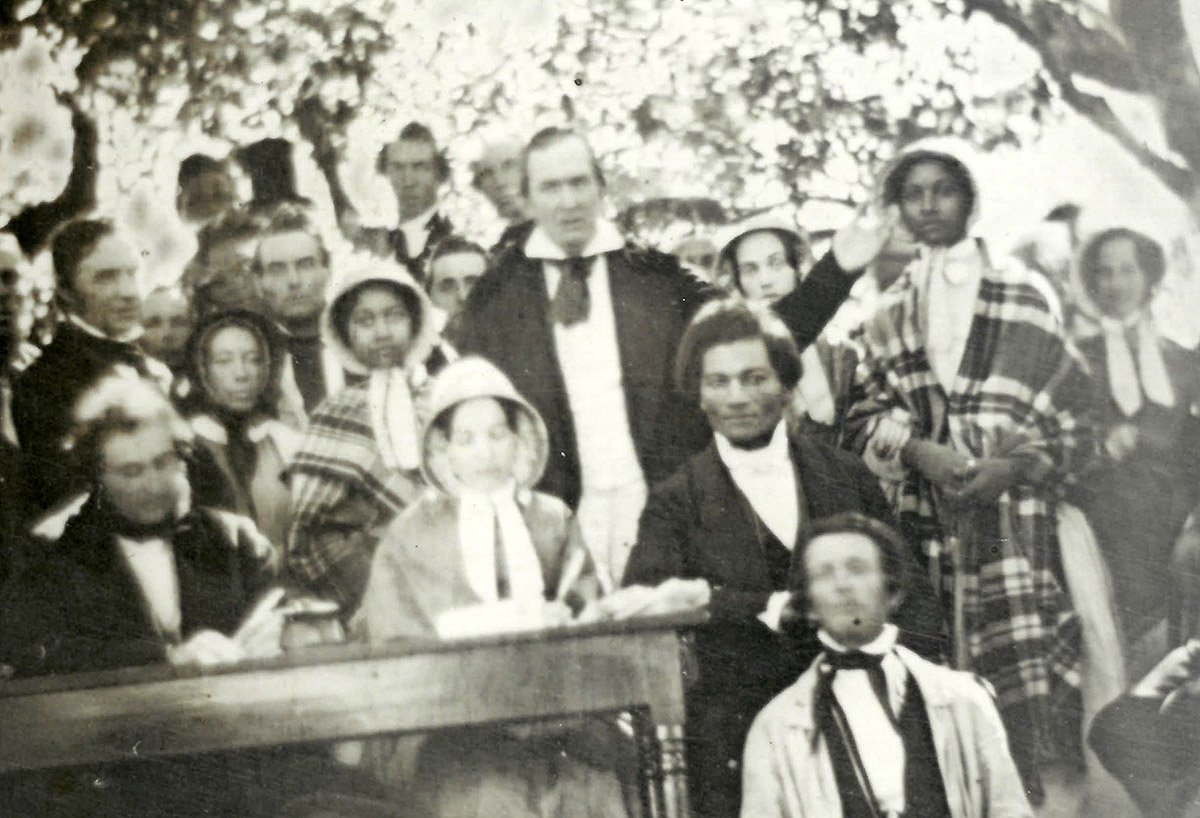
Facing the Storm
What keeps us going when the work of justice feels like an endless fight? In “Facing the Storm,” Desireé Lucas draws on her Black Pentecostal upbringing, the wisdom of church mothers, and Frederick Douglass’s witness to explore the struggles of everyday life and the pursuit of collective liberation. From recurring bills and strained relationships to community organizing and confronting systemic inequality, she names the burdens that can leave us weary and uncertain. Yet struggle also connects us to those who came before us and persevered toward freedom. With honesty and hope, Desireé invites us to make room for rest, gather our courage, and face the storm together—trusting that the progress we seek may lie beyond the clouds.
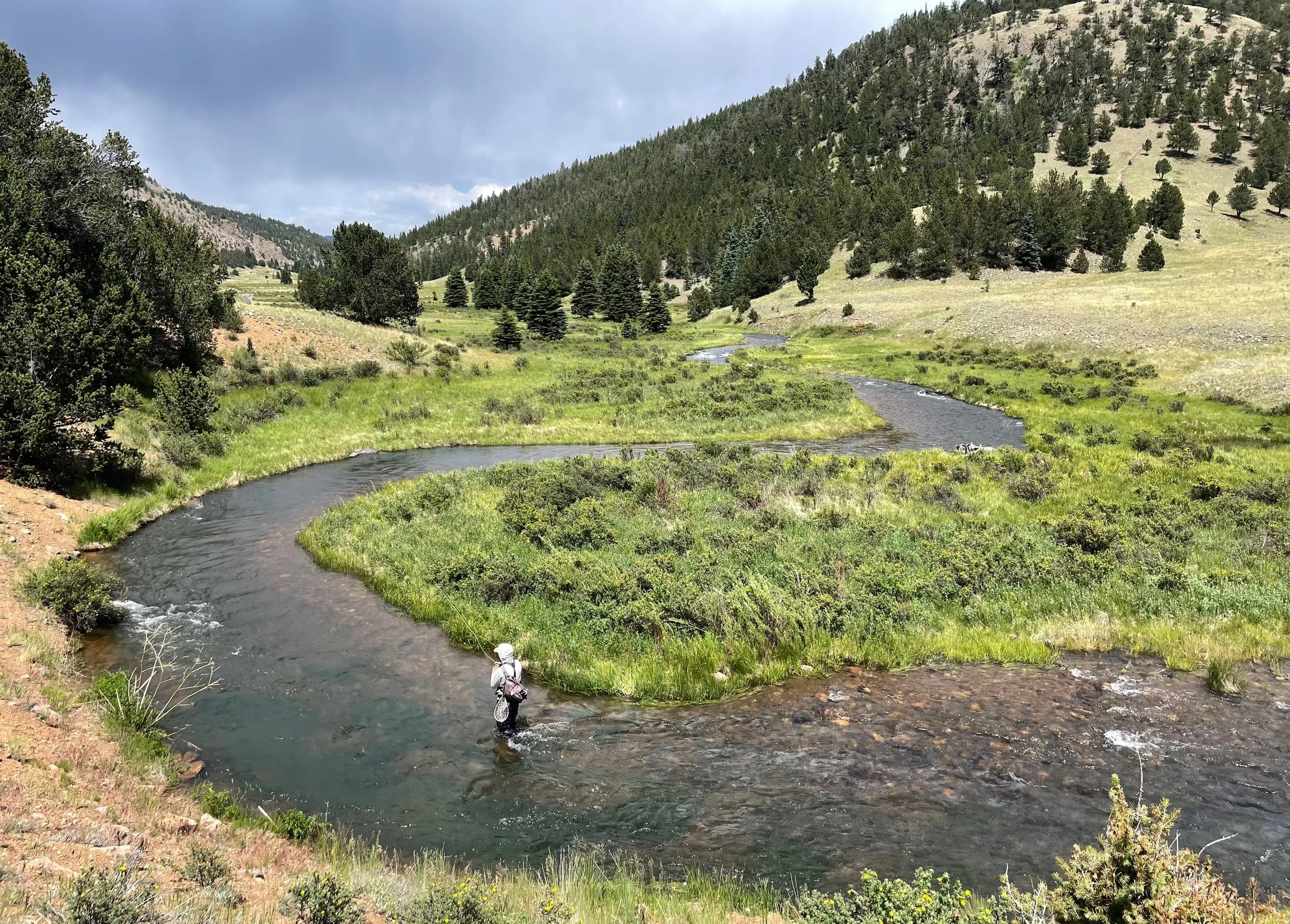
Daylighting Courage Creek
What might it mean to bring our buried courage into the light? In Daylighting Courage Creek, Howard Thurman’s image of an “underground river” meets the practice of uncovering streams hidden beneath our cities. A walk along a recovering creek becomes a reflection on the quiet springs of confidence that sustain us through difficult times. It also becomes an invitation: to make room for those springs to surface in our own lives and in one another’s, then join together in the work of justice, mercy, and care for the places we call home. What could flourish if we kept a thousand little springs of action flowing?
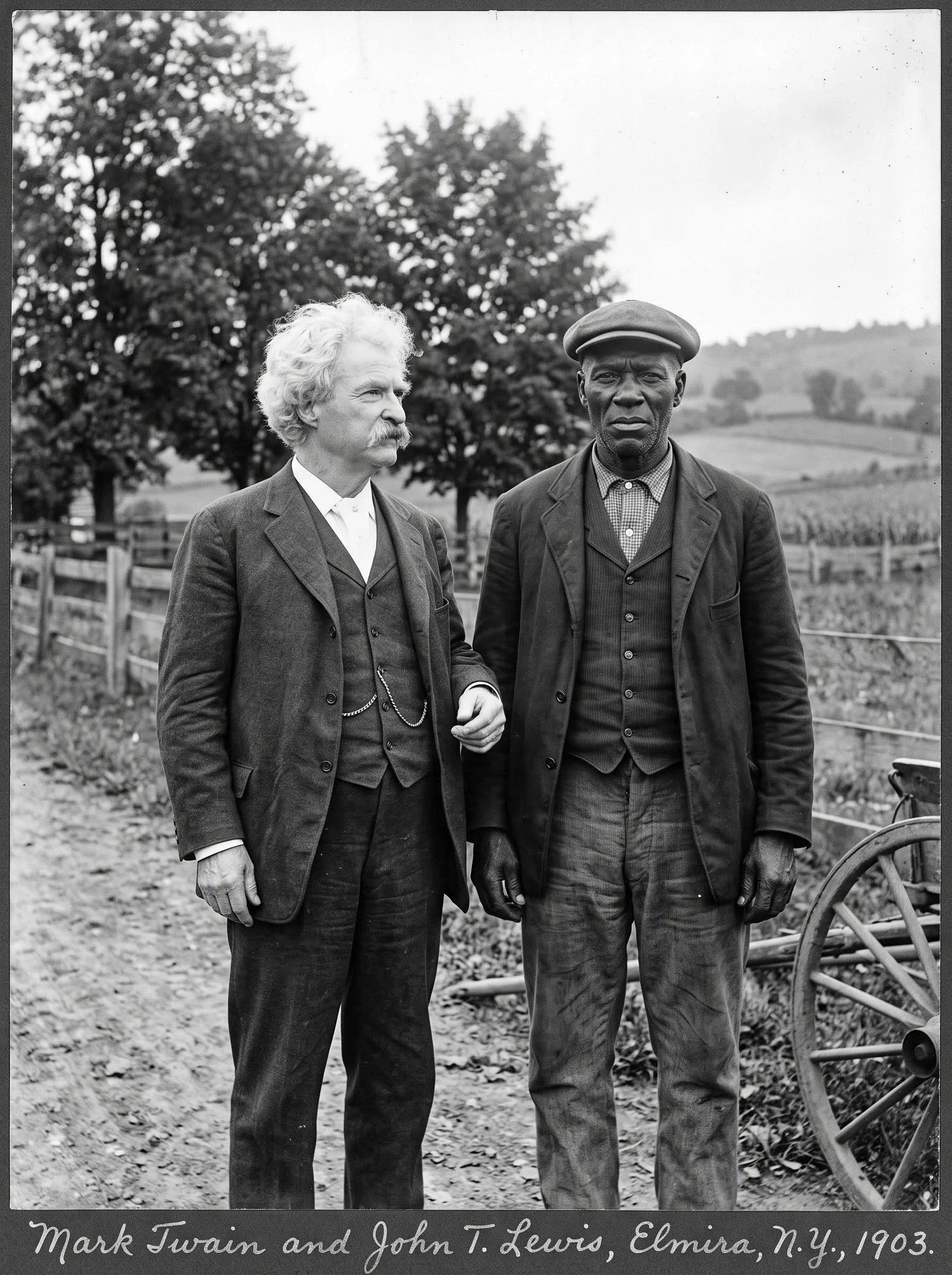
When History Rhymes
History may not repeat itself, but its rhythms often sound familiar. In this reflection, Kendall considers what it means to become “poets of history”—people who recognize the patterns echoing from the past and discern how old harms can reappear beneath new language and forms.
Drawing from the history of Durham’s Hayti community and BLK South’s work in the Grant Street neighborhood, Kendall reflects on the courage required to name these familiar rhythms. He invites us to imagine new ones that can help mend historical wounds and lead us toward more just, healing, and humane ways of living together.
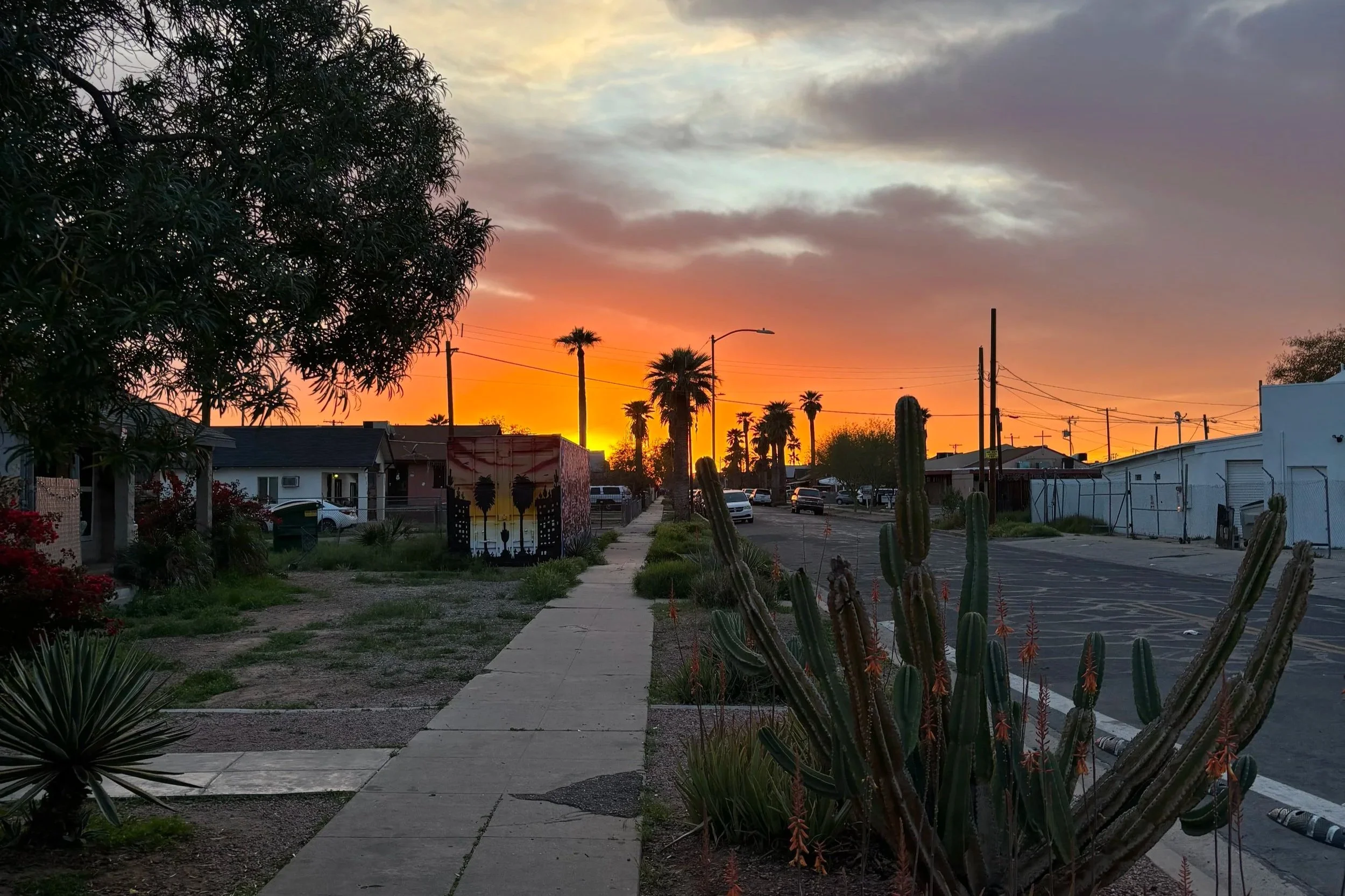
The Taste of Ashes
When Ash Wednesday rolled around last week my wife asked if I wanted to go to any of the church services in town. You see, after seventeen years in pastoral ministry I’d been spending the last two learning the trade of earthen building. Separated from the rhythms of traditional church life, and more particularly the life of a pastor, I said I’d like to do laundry instead. But that Wednesday moved fast and it was dark and late by the time we left the adobe house we’re building. We opted for enchiladas and a Modelo and dirty clothes. After finishing our meal we chatted with the restaurant owner as the plaza in our small town was being cordoned off after rumors of an active shooter and bomb threat were being addressed. Snow was falling for what felt like the first time all winter.
Smells Like Decolonial Thinking
Decolonial thinking, praxis, and theologies encourage us to expand and recover other ways of knowing and learning. Art and nature are two important examples of this. Check out this song, poem, painting series, and these facts about the mycelium network, and notice what stirs in you.

I Heard Mother Groaning
“The other morning, on the acreage of my northern New Mexico home, I pressed my ear into the dirt and heard Mother groaning. The same groan I once heard in the city—the helicopters, the warnings, the fear—was humming here beneath piñons and quiet skies. With my face to the earth, I realized the land has been mourning all along. And somewhere in that hum, I could hear Jesus drawing in the dirt again, inviting us to lay down our stones so those who have been targeted and exhausted might finally be free.”

Senses: Grounded In The Present Moment
“Our senses, sensitivities, and sensations shape and expand the world we live in and contribute to our health and well-being. They help us perceive, navigate, and understand our physical, emotional, spiritual, and relational worlds. They are impacted by our daily experiences—both traumatic and transformative.”