Two Caged Birds
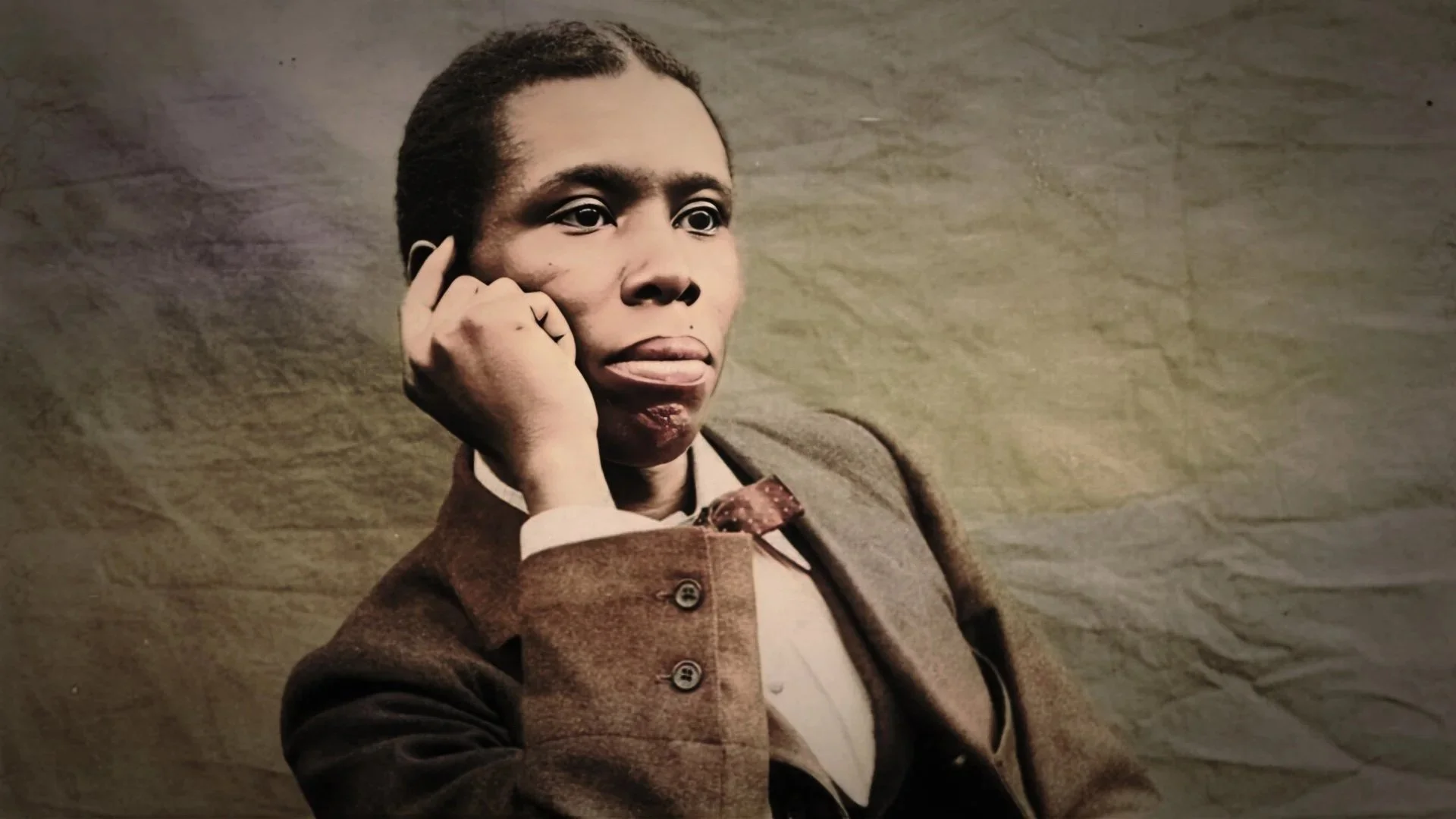
Paul Laurence Dunbar was an African American poet, novelist, and short story writer of the late 19th and early 20th centuries. Born in Dayton, Ohio, to parents who had been enslaved in Kentucky before the American Civil War, Dunbar began writing stories and verse when he was a child. Photo Credit: Unique Coloring

Erin Dooley is the co-founder of BLK South and Neighborhood Chaplain in Durham, NC. With over twenty years in nonprofit leadership, pastoral ministry, and strategic communications, she has led numerous faith-based and community initiatives. A Master of Community Leadership graduate at Eden Theological Seminary, Erin’s work explores the intersection of theology, human behavior, and social change—creating spaces of healing and belonging for historically marginalized communities. Learn More
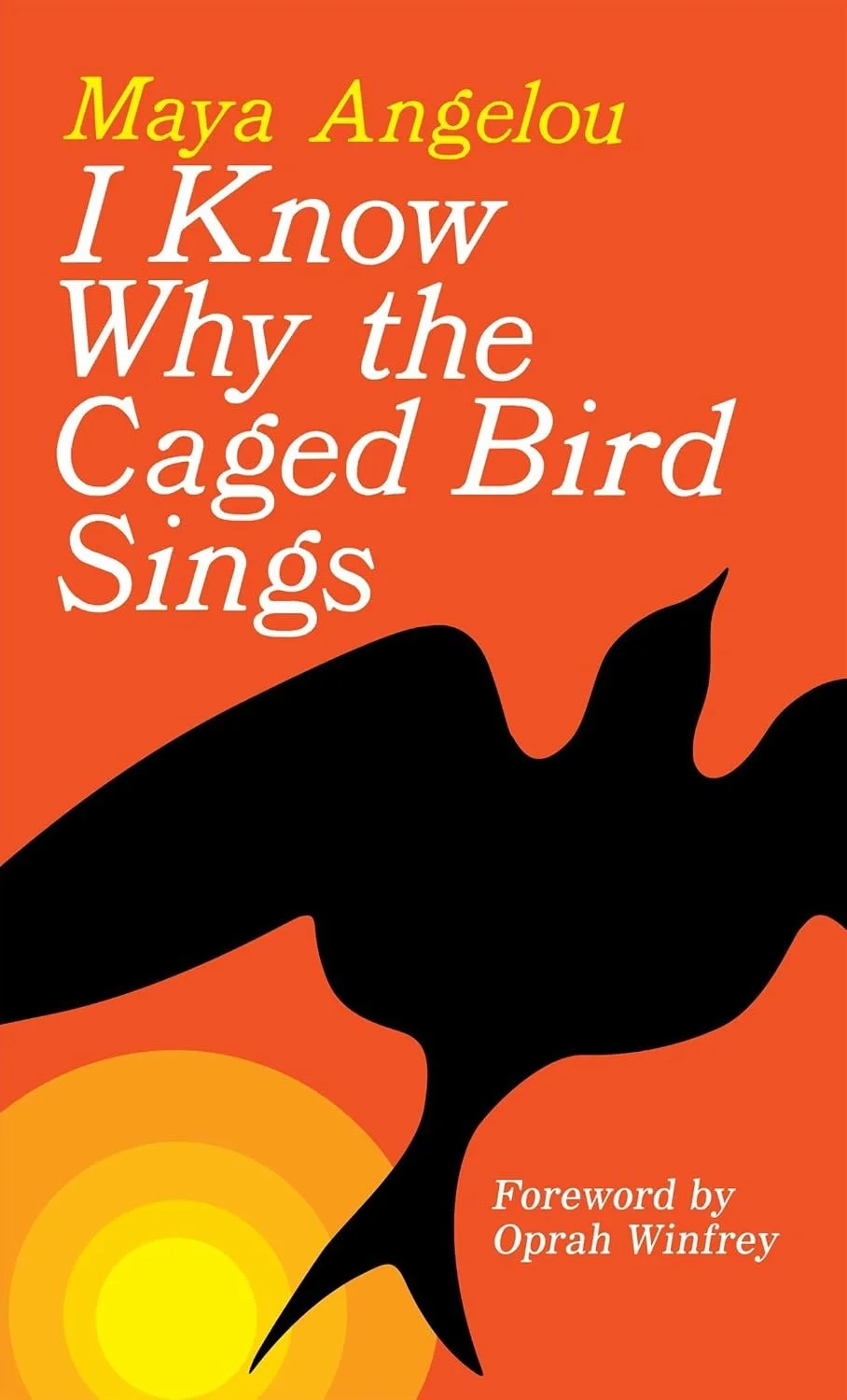
“I Know Why the Caged Bird Sings.”
The phrase first appeared in “Sympathy,” an 1899 poem by Paul Laurence Dunbar, one of the first Black American poets to receive national recognition. In the poem, Dunbar compares the suffering of a bird trapped inside a cage to the experience of Black people living under racism and oppression.
Decades later, Maya Angelou borrowed Dunbar’s haunting line for the title of her 1969 autobiography. More than half a century later, I borrow it once again to introduce a story—an encounter between two caged birds: another…and me:
I Know Why the Caged Bird Sings.
It’s Saturday, August 22, 2026 at 9:00am.
I didn’t know what to think. He stopped in my arms, weeping and wailing. His tears were rivers of frustration—from being held at gunpoint, from being endlessly displaced from one plot of land to another, as if he were not a person and those in power didn’t give a damn where he slept or whether he had a roof over his head.
The streets call him Bull City. He grew up in this neighborhood. And he’s still here.
I Know Why the Caged Bird Sings.
Just moments before, he had pulled up on his worn bicycle, yelling and swearing. I didn’t know whether it was a substance used to subdue the pain of living unhoused that caused him to swear, or whether this was truly a moment in his right mind—a moment worth swearing about.
I later learned of the many atrocities he had experienced since being displaced from Merrick Street. He had every right to swear.
He poured out his heart. “They don’t give a f*ck about me.”
Police officers who don’t live in this neighborhood holding him at gunpoint. Being sent to jail more than sixteen times because he is homeless. .
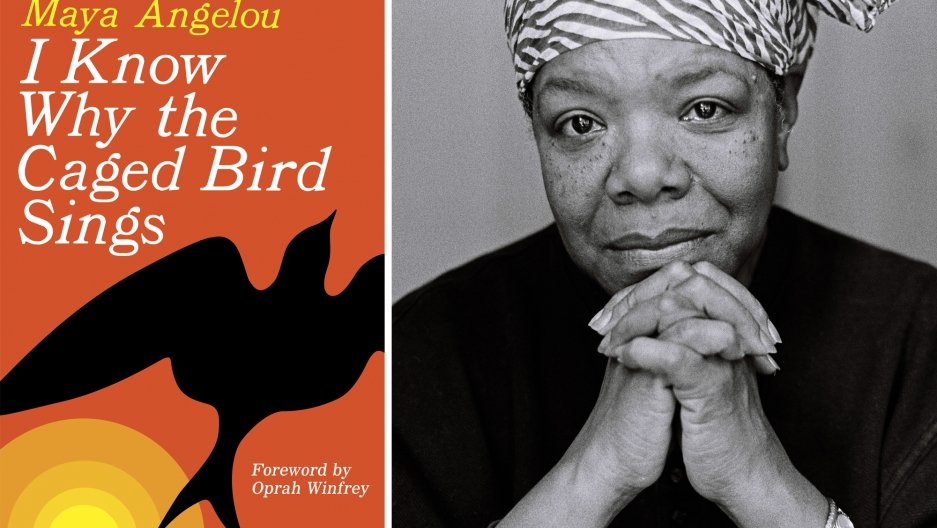
Maya Angelou next to her autobiography, I Know Why the Caged Bird Sings.
I Know Why the Caged Bird Sings.
My empathy meter is at its peak. Kendall is standing there with me. I am simultaneously a neighborhood chaplain, a minister at the church, a resident of the neighborhood, a co-leader of this event, and a vulnerable woman trying to remain present to the moment while also moving with wisdom.
Bull City does not hug Kendall. But he hugs Desiree, our lead volunteer and aspiring hire, as she approaches from behind. And he hugs me. He collapses into my arms and weeps. With Kendall beside us, I do not fear for my safety, but I am still attentive—trying to honor the vulnerability of the moment without abandoning my own discernment.
It is also the morning of our first annual Grant Street Block Party. One hundred and fifty people will be arriving in the next couple of hours, and we should probably set up a few tables and chairs so they have somewhere to sit. But this moment with Bull City seems more important.
What do we do?
After listening for several minutes and holding him up as he wept in my arms, we invite him to the block party. We encourage him to bring his friends.
Then he says, “I’mma be honest with you. I really just need some money.”
I know that feeling. Everybody offering you everything except the one thing you actually need.
I Know Why the Caged Bird Sings.
Kendall quickly seized the opportunity to take him to the nearest ATM and offer what we could. It must have touched him because he joined us for the block party, too!
Bull City could dance like no one I had ever seen before. He knew every word to every song, as if those songs had raised him on the streets. He moved like he was the king of dance. He took off his shoes as though he were at home in his living room. He took off his shirt and swung it around like a banner of freedom.
I noticed how defined his muscles were—perhaps because the streets had been his personal trainer and the neighborhood his gym. There was such freedom in the way he danced.
Maybe, for that one moment, dancing released him from all he had unjustly experienced.
Maybe, for that one moment, he felt free.
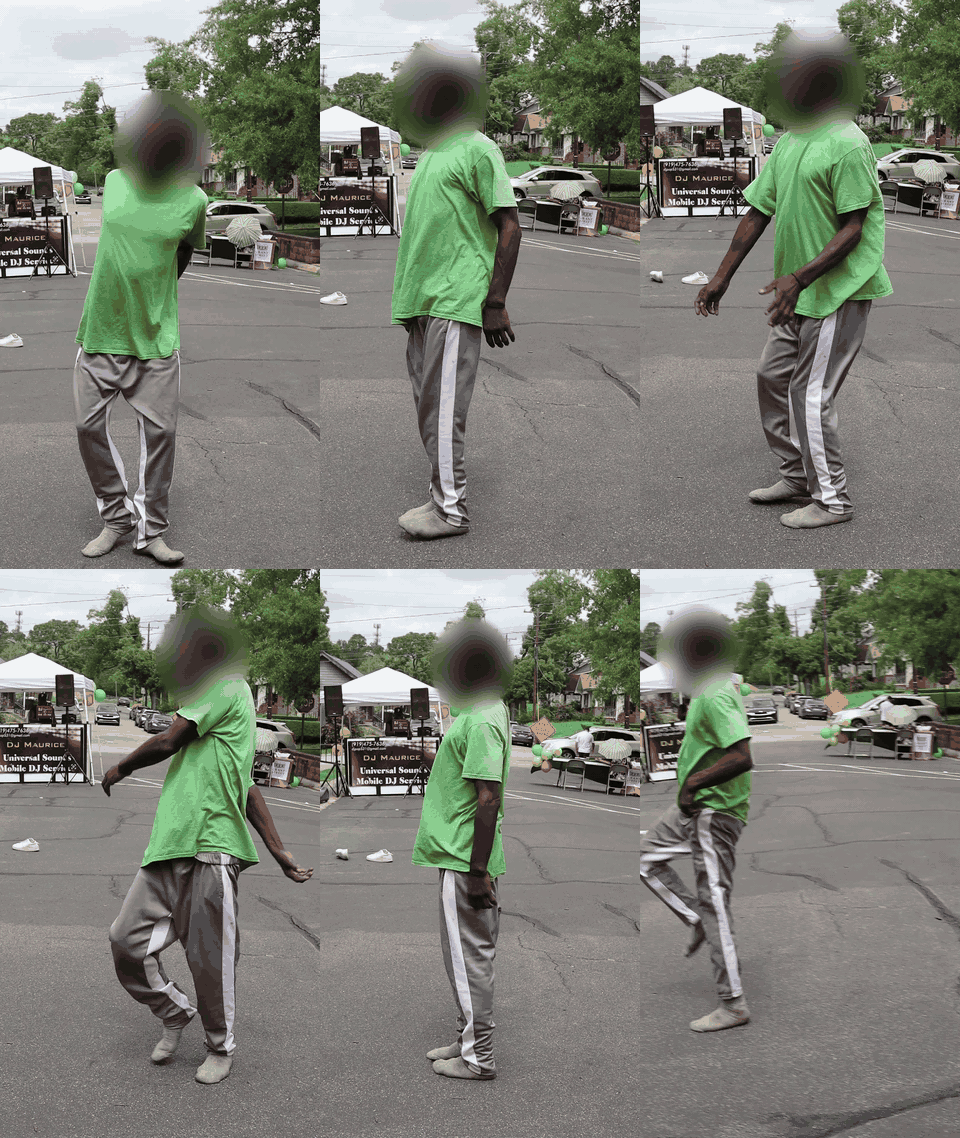
Bull City dances at the Grant Street Block Party. His face has been blurred to protect his privacy. Video credit: David Tran, event photographer.
Reflection Questions:
Where do you recognize the “cage” in your own life?
Who around you may be living in a cage, and what might freedom look like for them?
RECOMMENDED READING